
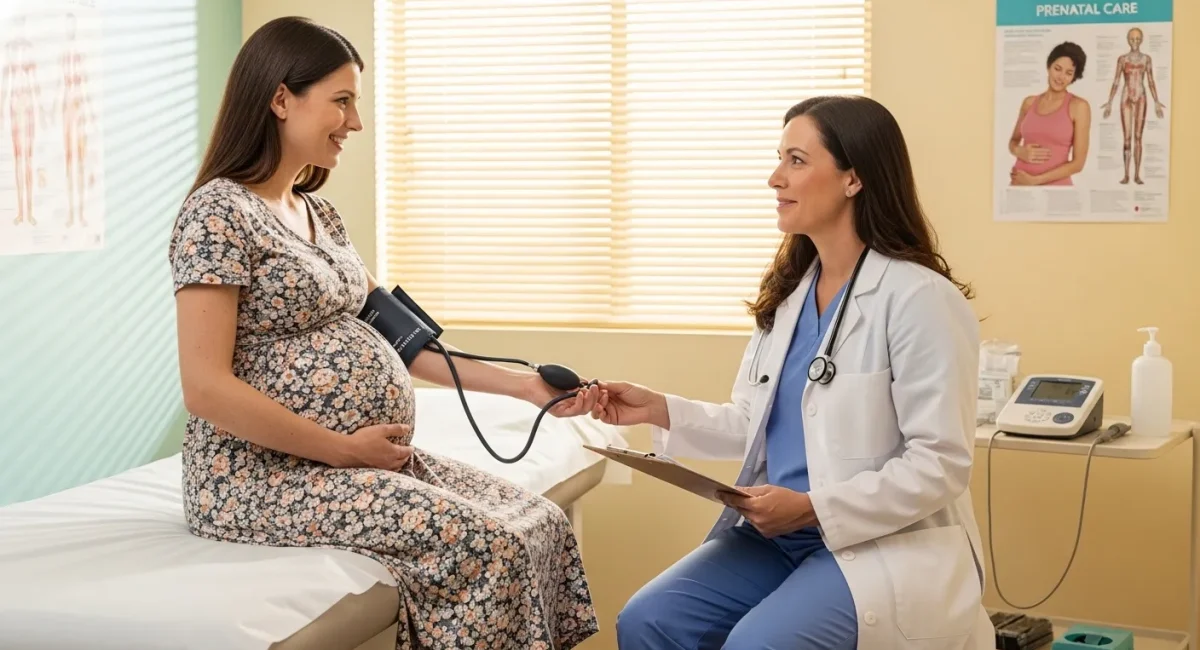
If you are pregnant in 2026, one of the questions that may come up during prenatal care is whether you should get the maternal RSV vaccine during pregnancy. RSV, or respiratory syncytial virus, is a common virus that can be especially hard on babies in the first months of life. For many expectant parents, the confusing part is not hearing about RSV for the first time. The confusing part is figuring out when the vaccine is recommended, how it works, and whether it makes sense for your pregnancy timeline.
This is why the topic is getting so much attention now. It sits right at the intersection of third-trimester planning, newborn protection, and modern pregnancy care. Many moms are already tracking growth scans, hospital bag prep, labor signs, and late-pregnancy discomforts. Adding another decision can feel like a lot. The good news is that once you understand the timing and the goal of the vaccine, it becomes much easier to talk it through with your OB-GYN or midwife.
This guide also fits naturally with other resources on e-Pregnant. If you want a broader overview of pregnancy immunizations, see Vaccines During Pregnancy (2025): Flu, Tdap, COVID-19 & RSV. If you are still orienting yourself to where you are in pregnancy, our Week-by-Week Pregnancy Journey can help you see how the third trimester fits into the bigger picture.
What Is the Maternal RSV Vaccine?
The maternal RSV vaccine is a vaccine given during pregnancy to help protect your baby after birth. Instead of vaccinating the baby directly before delivery, the goal is to help your body make antibodies and pass that protection to your baby through the placenta. That way, your baby has some defense during the early months of life, when RSV can be more serious.
For many parents, this is the key idea to understand: the vaccine is not mainly about protecting the pregnant person from severe RSV. It is mainly about helping protect the newborn during a period when babies are at higher risk of serious illness and hospitalization from RSV.
Why RSV Matters So Much for Newborns
RSV can look like a routine cold in some people, but babies are different. Newborns and young infants have smaller airways and less reserve if breathing becomes difficult. That is one reason RSV continues to be such an important topic in pediatrics and pregnancy care.
For pregnant moms, the issue becomes practical very quickly. You are not just asking, “Should I get another vaccine?” You are really asking, “What can I do before birth to lower my baby’s risk during those first fragile months?” That is why the maternal RSV vaccine during pregnancy has become a big part of third-trimester conversations.
When Is the Maternal RSV Vaccine Recommended?
Timing is the most important part. The maternal RSV vaccine is recommended late in pregnancy, not early. That matters because the goal is to give your body enough time to build antibodies and pass them to your baby before birth, while still lining up with RSV season.
In most of the United States, the recommended window is during weeks 32 through 36 of pregnancy, and seasonal timing usually falls between September and January. That means not every pregnant person will be advised to get it at every time of year. If your pregnancy does not line up with the usual RSV season, your provider may discuss a different protection plan for your baby after birth instead.
If you are not sure where you fall in pregnancy, use your due date and your current gestational week as the starting point. That makes this a good time to review your calendar, your next prenatal appointments, and your expected delivery month.
Why the Timing Window Matters

Some parents wonder why they cannot just get the vaccine at the very end of pregnancy. The answer is simple: there needs to be enough time for antibodies to develop and cross the placenta. If a pregnant person is already beyond the recommended window, there may not be enough time for that process to give the baby the intended level of protection.
This is why late-third-trimester planning matters so much. It is also why routine prenatal visits are the best place to raise the question early instead of waiting until the final days before delivery.
Does Every Baby Need Both the Maternal Vaccine and the Infant Shot?
Usually, no. This is one of the most misunderstood parts of RSV prevention. Many parents hear about the maternal vaccine and also hear about infant antibody protection after birth, then assume both are automatically needed. In many cases, that is not true.
The general strategy is that your baby is usually protected by one main route: either maternal vaccination during pregnancy or an RSV antibody given to the baby after birth. Which option makes more sense depends on timing, local RSV season, and whether the pregnancy met the recommended vaccine window.
That is one reason this is worth discussing directly with your prenatal provider and later with your baby’s pediatrician if needed.
What Are the Benefits Parents Usually Care About Most?
Most pregnant moms are not looking for a technical explanation. They want clear answers to practical questions. The biggest reasons this vaccine comes up are:
- Helping protect the baby during the first months of life
- Reducing the risk of severe RSV illness
- Potentially lowering the chance of hospitalization
- Giving parents another preventive step before baby arrives
That last point matters more than people admit. Pregnancy already involves so much uncertainty. Many parents find comfort in having a clear, evidence-based action they can discuss and decide on before delivery.
What About Safety Questions?
It is completely reasonable to ask about safety. In fact, you should. Pregnancy decisions should never feel rushed or guilt-driven. They should feel informed. If you are discussing the maternal RSV vaccine during pregnancy, some of the most useful questions to ask your provider include:
- Am I in the recommended gestational window?
- Does my due date line up with RSV season where I live?
- Do I have any medical reasons to delay or avoid this vaccine?
- Would my baby instead be a candidate for antibody protection after birth?
- Can I receive this vaccine at the same visit as other recommended vaccines?
It also helps to remember that internet anxiety is not the same as medical guidance. Social media can make routine decisions feel dramatic. If you have already read our Trimester Zero post, you already know how fast online trends can turn normal planning into unnecessary panic.
Can It Be Given With Other Pregnancy Vaccines?
This is another common question, especially during the third trimester when prenatal visits may start to feel more packed. In many cases, vaccine timing can be coordinated with other routine pregnancy care. That does not mean everyone needs the exact same schedule. It means your provider can usually help you build a practical plan based on your gestational week, season, and what you have already received.
If you are also thinking about Tdap, flu, or COVID vaccination, the broader e-Pregnant vaccine guide linked above is a helpful companion read.
What If I Am Delivering Outside the Usual RSV Season?

This is where the conversation becomes more personalized. If your baby is expected outside the usual RSV season in your region, your provider may decide that maternal RSV vaccination is not the best fit for your timing. In that situation, your baby may be better protected through infant RSV antibody timing after birth instead of maternal vaccination during pregnancy.
That does not mean you missed your chance. It means the plan may simply look different based on your dates. The right question is not, “Am I doing the exact same thing as everyone else?” The right question is, “What protection strategy makes the most sense for my baby given when I’m due?”
How to Bring This Up at Your Prenatal Visit
If you are in the third trimester or getting close, you do not need a complicated script. You can ask something simple like:
I’ve been reading about the maternal RSV vaccine during pregnancy. Do my due date and gestational age make me a candidate for it?
That one question usually opens the door to the most useful conversation: timing, eligibility, what is recommended where you live, and what the backup plan is if you are outside the ideal window.
It may also help to keep your due date handy and review your pregnancy timeline before the appointment. If you are in the thick of late-pregnancy fatigue or not sleeping well, our guide on coping with sleep problems during pregnancy may help you feel a little more human while you manage all the third-trimester details.
Final Thoughts
The maternal RSV vaccine during pregnancy is one of the most important late-pregnancy topics in 2026 because it gives parents a time-sensitive way to help protect their newborns during a vulnerable stage of life. The key is not memorizing every medical detail. The key is understanding the timing window, knowing that most babies usually do not need both prevention options, and discussing the right plan with your provider before the third trimester is almost over.
Pregnancy already asks you to make a lot of decisions. This one does not have to feel overwhelming. With the right timing and a clear conversation with your care team, it can be one more informed step toward preparing for baby.
Medical disclaimer: This article is for educational purposes only and is not a substitute for personal medical advice. Always talk with your OB-GYN, midwife, or prenatal care provider about what is right for your pregnancy.