
Seeing a positive pregnancy test can bring excitement, relief, anxiety, or all three at once. One of the first practical questions that follows is simple: when should you book your first prenatal visit? In 2026, that question matters more than many parents realize, especially as more people are starting prenatal care later than recommended.
Your first prenatal appointment is not just a formality. It helps confirm important timing, review your health history, identify possible risk factors early, and give you a clear plan for the weeks ahead. Even if you feel fine, early care can make your pregnancy journey feel more organized, more supported, and a lot less confusing.
This is especially important in the first trimester, when the baby’s early development is happening quickly and many moms are also dealing with fatigue, nausea, breast tenderness, or emotional ups and downs. If you are already feeling the first trimester hit hard, you may also want to read First Trimester Pregnancy Symptoms: What to Expect and How to Cope.
In this guide, we will break down when to schedule your first prenatal visit, what usually happens during that appointment, what to do while you wait, and why early prenatal care is getting more attention in 2026.
Why the First Prenatal Visit Is Such a Big Topic in 2026
Pregnancy advice online can be messy. Some people make it sound like you need an ultrasound, ten blood tests, and a full nursery plan immediately. Others act like there is no rush at all. The truth is somewhere in the middle: you do not need to panic, but you also should not put it off longer than necessary.
Part of the reason this topic is so relevant now is that early prenatal care has been slipping in the United States. More pregnant people are starting care in the second trimester, and more are getting late care or no care at all. That does not mean every delayed appointment leads to a bad outcome, but it does mean a lot of people are missing early opportunities for screening, planning, and support.
At the same time, prenatal care itself is evolving. Care is becoming more personalized, which is a good thing. The goal is not to force every pregnant person into an identical schedule. The goal is to make sure the right care happens at the right time. Your first prenatal visit is where that plan usually starts.
So, When Should You Schedule Your First Prenatal Visit?
In most cases, you should call and schedule your first prenatal visit soon after you find out you are pregnant. Many practices will aim to see you around 8 weeks of pregnancy, though some may see you a little earlier or later depending on your history, symptoms, and local availability.
That timing is often based on the first day of your last menstrual period, not the date you got your positive test. So if you test positive right around the time of a missed period, you may already be considered about four weeks pregnant.
Some situations may justify earlier contact or a faster appointment, including:
- Bleeding or significant cramping
- One-sided pelvic pain
- A history of miscarriage or ectopic pregnancy
- Fertility treatment or known high-risk pregnancy factors
- Chronic health conditions like diabetes, high blood pressure, thyroid disease, or seizure disorders
If any of those apply, do not just rely on a routine online booking form. Call the office and explain what is going on.
What to Do Right After a Positive Test
While you are waiting for your first prenatal visit, there are a few smart moves you can make right away.
Start taking a prenatal vitamin if you have not already, especially one with folic acid. Avoid smoking, vaping, and alcohol. Review any medications or supplements you take and check with a medical provider before making changes, especially if the medication is for a chronic condition. Do not stop an important prescription on your own just because you are pregnant.
This is also a good time to write down the date of your last period, the date of your positive test, and any major symptoms you are having. If you were already planning ahead before conception, your next read should be Trimester Zero: The Evidence-Based Preconception Checklist (Without the TikTok Panic). It connects well with this stage because a lot of the same basics still matter once pregnancy begins.
What Happens at the First Prenatal Visit?
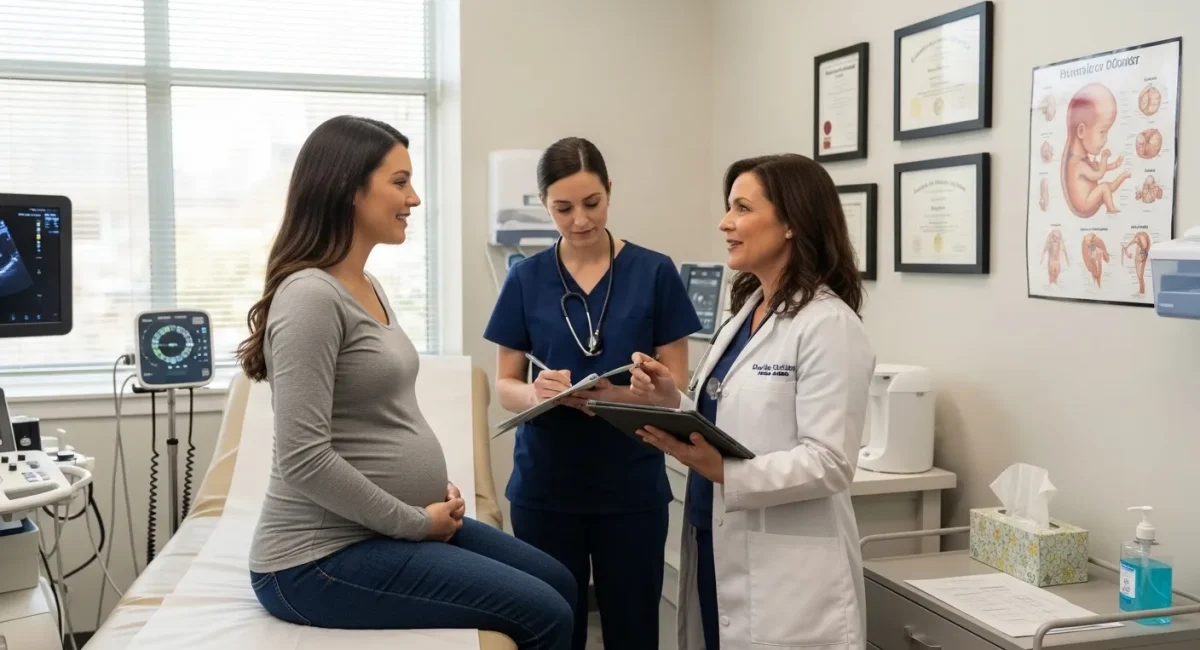
Your first prenatal visit is usually one of the longest appointments in early pregnancy because it lays the foundation for the rest of your care. Exact details vary by office, but most first visits include several core pieces.
Medical History Review
Your provider will ask about your health history, past pregnancies, surgeries, medications, allergies, mental health, family history, and lifestyle factors. This is one reason it helps to come prepared instead of trying to remember everything on the spot.
Dating the Pregnancy

One key purpose of early care is estimating how far along you are and establishing a due date. Sometimes that is based on your menstrual history, and sometimes an ultrasound is used to confirm timing.
Lab Work and Screening
Blood and urine tests are common at the first prenatal visit or shortly afterward. These may look at blood type, anemia, infection screening, immunity, and other routine baseline information.
Vitals and General Health Check
Your provider may check blood pressure, weight, and other basic measures. These early numbers help create a baseline for the rest of pregnancy.
Questions and Planning
This is also when you talk about what comes next. You may discuss food safety, exercise, common symptoms, warning signs, travel, sexual activity, prenatal vitamins, and the timing of future appointments.
If you want a broader timeline after that appointment, e-Pregnant’s Week-by-Week Pregnancy Journey: What Happens Each Trimester is a strong internal link because it helps readers understand how the first visit fits into the bigger picture.
Questions to Ask at Your First Prenatal Visit
A lot of first-time moms worry they will forget something important. That is normal. Bring a list. It makes the visit more useful and helps you leave with real answers instead of vague reassurance.
Helpful questions can include:
- How far along do you think I am?
- What symptoms are normal right now?
- What warning signs mean I should call right away?
- Are my medications and supplements safe in pregnancy?
- When will I need my next appointment or ultrasound?
- Are there foods, activities, or travel plans I should avoid?
- What should I do if nausea, constipation, or exhaustion gets worse?
If food advice already feels overwhelming, add this to your reading list after the appointment: Nutrition Myths in Pregnancy: What Science Really Says for You & Baby. It is a good follow-up because a lot of first-visit questions end up circling back to what is actually safe and evidence-based.
Why You Should Not Wait Too Long

It is easy to assume that if you are not bleeding, not in pain, and not feeling terrible, you can just wait. Sometimes people delay because they are busy. Sometimes they are not sure the pregnancy is “real enough” yet. Sometimes access is the problem. But there are good reasons not to keep pushing the appointment back.
Early care can help identify health issues that affect pregnancy, such as high blood pressure, thyroid problems, diabetes, anemia, or infection risk. It also gives you a chance to talk through prior pregnancy history, medication safety, and timing for tests that happen later in the first trimester.
There is also the emotional side. Pregnancy can feel less overwhelming when you know who your provider is, when your next visit will happen, and what is considered normal right now. That support matters, especially if you are dealing with fatigue or poor sleep. If that part is already hitting you, this internal link fits naturally: Coping with Sleep Problems During Pregnancy: Tips for Restful Nights in Every Trimester.
What If It Is Hard to Get an Appointment?
This is a real problem for many pregnant people. Some areas have long wait times, provider shortages, or limited insurance acceptance. If you call and the first available appointment feels too far away, do not just shrug and give up.
Ask whether there is a cancellation list. Ask whether a nurse can review your symptoms and decide if you should be seen sooner. Ask whether another provider in the same practice has earlier openings. If you have urgent symptoms, tell them clearly instead of downplaying them.
You can also ask what to do while you wait. Many offices will give basic first-trimester instructions over the phone, including guidance on prenatal vitamins, nausea, bleeding precautions, and medication review.
For a general overview of prenatal care from a public-health source, you can also point readers to WomensHealth.gov’s prenatal care guide.
Final Thoughts
Your first prenatal visit is not about doing everything perfectly. It is about getting started early enough to build a safer, clearer, more supported pregnancy plan. In most cases, that means calling soon after a positive test and aiming to be seen in the first trimester, often around 8 weeks.
In 2026, this topic matters because more pregnant people are starting care later, even though early visits still play a major role in confirming timing, reviewing risks, and helping moms know what to expect. If you just found out you are pregnant, do not panic. But do make the call. Getting that first appointment on the calendar is one of the smartest early steps you can take.