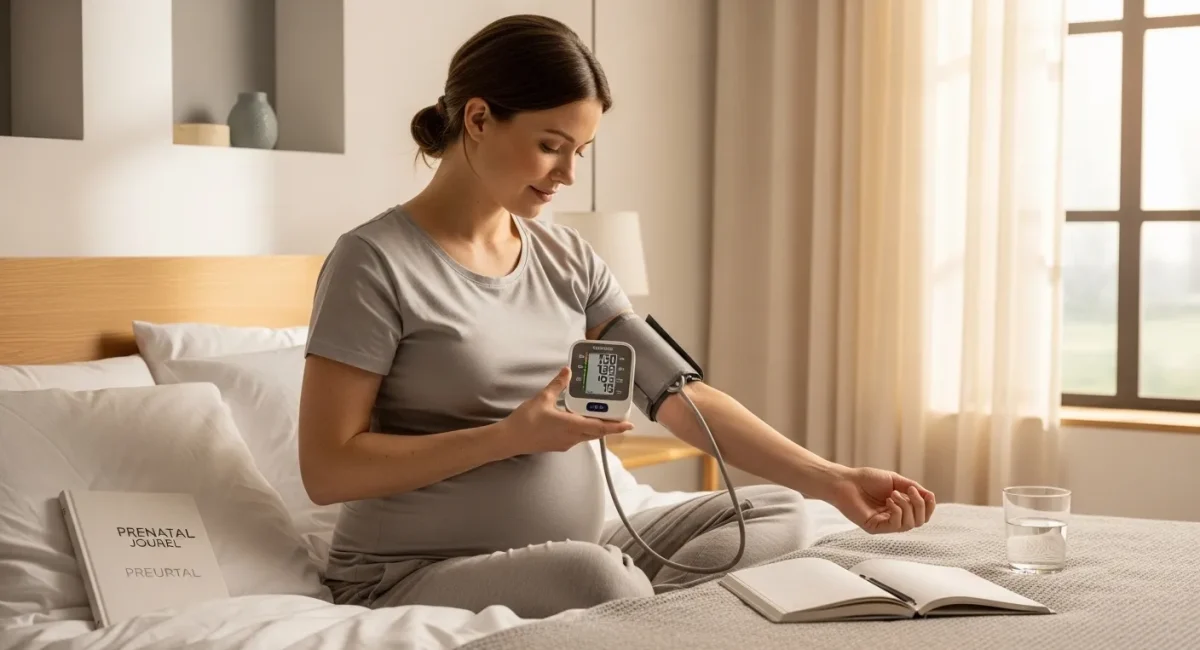
More expecting moms are hearing about home blood pressure monitoring in pregnancy in 2026, and for good reason. Blood pressure problems can develop during pregnancy even when you feel mostly fine. That is one reason the topic keeps coming up in prenatal care, online pregnancy communities, and health guidance. A home monitor can give you more visibility between appointments. However, it only helps when you use it the right way and understand what it can and cannot do.
This topic fits naturally on e-Pregnant because it sits right between pregnancy symptoms, prenatal planning, and practical pregnancy health. If you are still getting oriented, our Week-by-Week Pregnancy Journey: What Happens Each Trimester helps you see when certain checkups and symptom changes usually show up. If you are very early in pregnancy, When to Schedule Your First Prenatal Visit in 2026 and Why Early Care Matters is a good companion read.
The big thing to understand is this: home blood pressure monitoring does not replace prenatal care. It supports it. Your prenatal visits are still where your provider puts the full picture together, including symptoms, urine testing, history, and exam findings. A home monitor is simply one more tool that can help you and your provider spot patterns earlier.
Why Home Blood Pressure Monitoring Is Getting More Attention
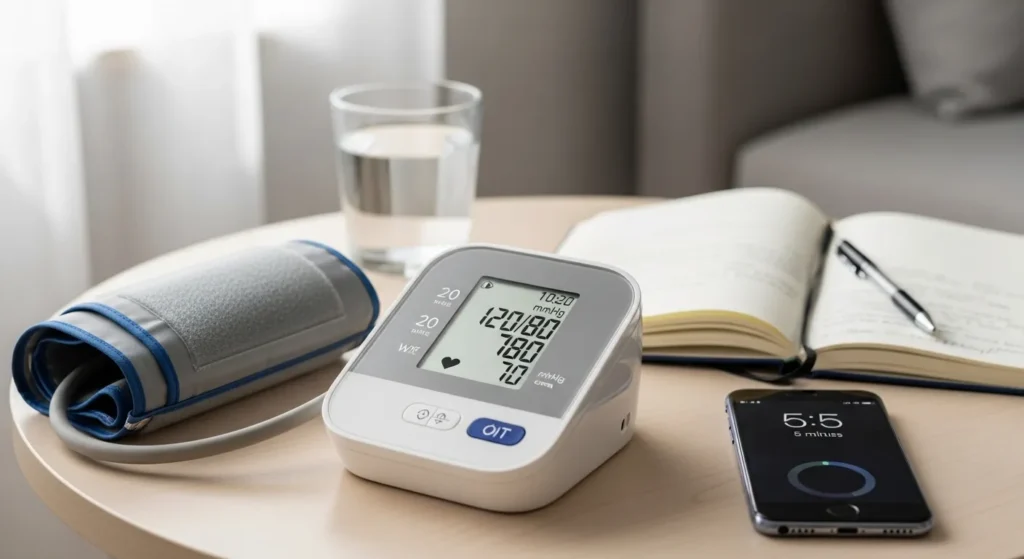
Pregnancy already comes with enough uncertainty. Most moms want practical tools that help them feel informed, not overwhelmed. That is why home blood pressure monitoring in pregnancy has started to stand out more in 2026. It feels simple, but it can be useful in the right situation. It may help if your provider wants extra readings between visits, if you have a history of blood pressure issues, or if symptoms make them want closer follow-up.
It Matters Because Blood Pressure Problems Can Be Quiet at First
One of the hardest parts of pregnancy blood pressure problems is that they do not always announce themselves clearly at the beginning. Some women feel completely normal. Others notice symptoms that are easy to dismiss, such as swelling, headaches, or feeling “off.” That is why home monitoring can be helpful. It may catch a concerning pattern before the next scheduled appointment.
You Can Feel Fine and Still Need Monitoring
This is the same reason your site’s recent post on Gestational Diabetes in 2026: Why You Can Feel Fine and Still Need the 24-to-28 Week Test works so well. Pregnancy sometimes asks you to screen for problems that do not cause obvious symptoms right away. Blood pressure can work that way too. Feeling okay is reassuring, but it is not the whole story.
If you are already paying close attention to body changes, you may also want to revisit Understanding Pregnancy Symptoms: From Fatigue to Cravings. That post helps you separate common discomforts from signs that deserve a second look.
Symptoms Still Matter Even If You Own a Monitor
A home reading is useful, but it is not more important than how you feel. Severe headache, vision changes, sudden swelling, upper abdominal pain, or shortness of breath should never be brushed aside just because one reading looked acceptable earlier. A device can support awareness, but it cannot interpret your full clinical picture. That is still your provider’s job.
Not Every Pregnancy Needs the Same Monitoring Plan
Some moms hear about home monitoring and assume everyone should check every day. That is not how this works. Your provider may suggest regular tracking, occasional spot checks, or no home monitoring at all. The right plan depends on your history, your symptoms, your clinic’s approach, and what is happening in your pregnancy right now.
That is why it helps to think of home blood pressure monitoring in pregnancy as personalized care, not a universal rule. For one patient, it may be a short-term check after an elevated office reading. For another, it may be part of a longer monitoring plan. For someone else, the focus may stay on routine office checks and symptom awareness.
A Monitor Helps Most When the Setup Is Practical and Accurate
Buying a random device and taking rushed readings will not give you much value. Home monitoring works best when your provider agrees it makes sense, the device is appropriate for pregnancy use, and you know how to take readings consistently. Accuracy matters more than frequency.
Pregnancy health is never just one issue in isolation. If you are also thinking through other time-sensitive care decisions, your posts on Vaccines During Pregnancy (2025): Flu, Tdap, COVID-19 & RSV and Maternal RSV Vaccine in 2026 fit nicely here too. Both remind moms that pregnancy planning often involves timing, context, and a conversation with a real provider, not a one-size-fits-all answer.
How to Use Home Monitoring Without Creating More Anxiety
A monitor should help you feel clearer, not more panicked. The best approach is simple and repeatable. Take readings when your provider tells you to. Use the same routine each time. Write them down or log them in your phone. Then follow the instructions your provider gave you about when to call.
How to Take Better Readings at Home
Try to take readings when you are seated and calm, not right after climbing stairs, rushing around the house, or dealing with stress. Keep the cuff positioned correctly on your upper arm, and use the same arm each time if your provider has not told you otherwise. Sit quietly for a few minutes before the reading. Consistency helps your provider compare numbers more meaningfully.
It also helps to avoid turning blood pressure checks into a constant stress ritual. Rechecking again and again because one number made you nervous often creates more confusion. Follow the plan your provider gave you. If they want one reading, do one. If they want two readings a minute apart, do that. More is not always better.
If you are trying to support overall pregnancy wellness, simple basics still matter. Your existing guides on Pregnancy Nutrition Guide: What to Eat for a Healthy Baby and Safe Pregnancy Exercises to Stay Active and Healthy are helpful internal links here because healthy routines often work alongside monitoring, not instead of it.
Bring Your Readings Into the Prenatal Conversation
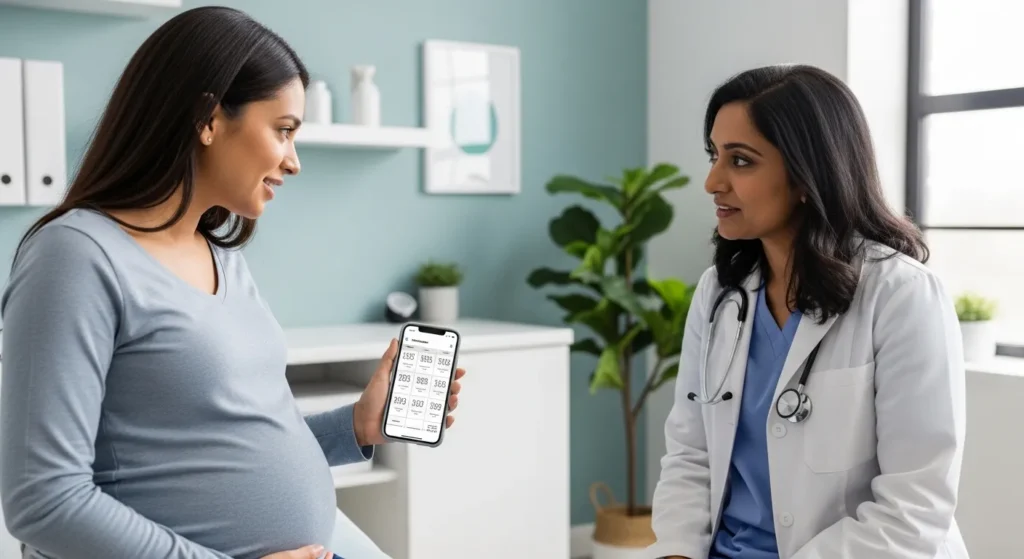
A blood pressure log becomes more useful when you actually bring it to appointments. That gives your provider something concrete to review. They can compare home values with office readings, ask about symptoms, and decide whether the pattern matters. This is where the monitor becomes part of care instead of just another pregnancy gadget sitting in the bedroom.
Questions to Ask at Your Next Visit
If you want to raise the topic without overcomplicating it, keep it simple. You can ask whether home blood pressure monitoring makes sense for your pregnancy, which monitor type they prefer, how often they want readings, and what number or symptom should trigger a call. That usually leads to a much more useful conversation than trying to figure it all out alone from social media.
Know What Should Prompt a Same-Day Call
The most important part of home blood pressure monitoring in pregnancy is not the device. It is knowing what to do with the information. Ask your provider these questions clearly:
- Do you want me to monitor at home, and if so, how often?
- What numbers do you want me to report right away?
- Which symptoms matter even if I am not sure about the reading?
- Should I bring my monitor to an appointment to compare it with the office device?
- Do you want me to keep a written log or use an app?
That final point matters because clarity reduces anxiety. You do not need to become your own doctor. You just need a plan. When you know what to monitor, when to call, and when to stop spiraling, the whole process becomes much more manageable.
In the end, home blood pressure monitoring in pregnancy in 2026 is useful because it supports earlier awareness, not because it replaces care. It works best when it is paired with prenatal visits, symptom awareness, and direct guidance from your OB-GYN or midwife. A monitor can help you notice patterns. Your provider helps you decide what those patterns mean.
For a strong external reference, link to the CDC’s guidance on High Blood Pressure During Pregnancy. It is practical, authoritative, and easy for readers to understand.
Medical disclaimer: This article is for educational purposes only and is not a substitute for personal medical advice. Always contact your prenatal care provider about symptoms, abnormal readings, or questions about what is right for your pregnancy.