
Introduction: Why Nutrition Advice Can Be Confusing
Pregnancy is a joyful and transformative time, but it also comes with an overwhelming amount of advice — especially about food. Friends, relatives, and even strangers love to share their “must-do” tips.
Unfortunately, much of this guidance is rooted in outdated information, cultural traditions, or half-truths. This can leave moms-to-be stressed and unsure about what to eat or avoid.
Getting the facts right is important because proper nutrition supports both your health and your baby’s growth. The good news? Science can help separate fact from fiction.
In this article, we’ll debunk some of the most common pregnancy nutrition myths and provide evidence-based insights.
Armed with the right knowledge, you’ll be able to approach meals with confidence and peace of mind.
Myth 1: “You’re Eating for Two”

This is perhaps the most famous pregnancy myth. While it is true that your body needs more energy, it does not mean doubling your food intake.
According to the American College of Obstetricians and Gynecologists (ACOG),
most women only need about 300 extra calories per day during the second and third trimesters. That’s the equivalent of one small snack — like a banana with almond butter or a cup of yogurt with fruit.
Overeating in the name of “eating for two” can lead to unnecessary weight gain, gestational diabetes, or complications during labor. Instead, focus on the quality of your food.
Nutrient-dense meals rich in whole grains, proteins, and fresh produce provide what you and your baby truly need. Think of it as “eating for two bodies” — not two full adults.
Myth 2: “You Can’t Have Any Fish”
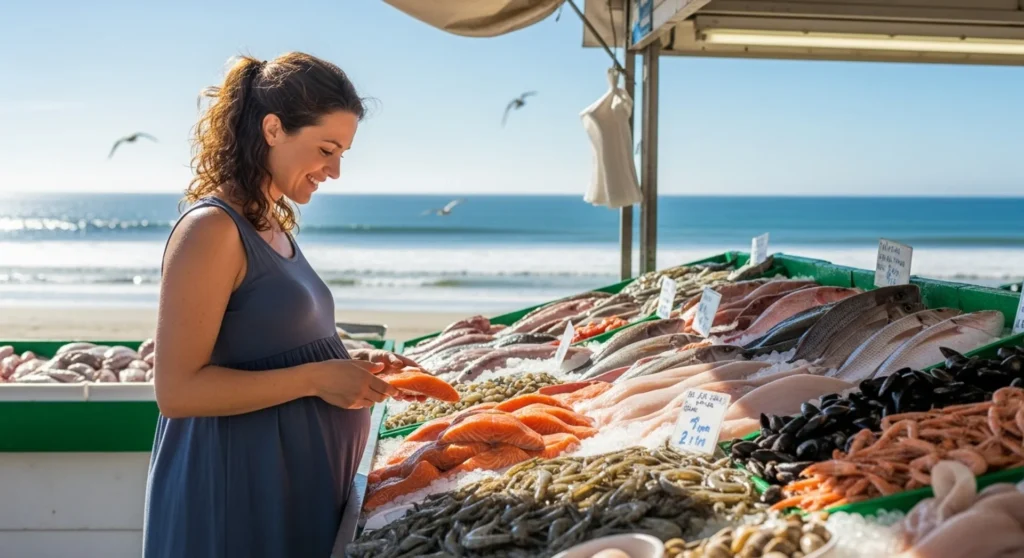
Fish often sparks confusion because of mercury concerns. While it’s wise to avoid high-mercury fish such as shark, swordfish, and king mackerel,
many fish are both safe and highly beneficial. Salmon, sardines, tilapia, and trout are excellent choices. These varieties are low in mercury and high in omega-3 fatty acids, which support brain and eye development in babies.
The FDA recommends that pregnant women eat 2–3 servings of low-mercury fish each week.
Skipping fish entirely could mean missing out on valuable nutrients like vitamin D, iodine, and lean protein. If you dislike fish, talk to your doctor about omega-3 supplements to ensure you still get the benefits.
Myth 3: “Coffee Is Off Limits”

For coffee lovers, pregnancy can feel like the end of morning lattes. The truth is, moderate caffeine intake is considered safe.
The March of Dimes recommends keeping caffeine under 200 milligrams per day,
which equals about one 12-ounce cup of coffee.
It’s important to track caffeine from all sources — including tea, energy drinks, soda, and chocolate. Too much caffeine may increase the risk of miscarriage or low birth weight, but cutting it out completely is not necessary.
If you enjoy coffee, savor it in moderation and consider switching to half-caf or decaf later in the day.
Myth 4: “All Herbal Teas Are Safe”
Herbal teas seem gentle, but not all are safe in pregnancy. Some herbs can trigger uterine contractions or interfere with development.
For example, sage, parsley, and licorice root teas are best avoided. Others, like ginger and peppermint, are generally safe and can help relieve nausea or indigestion.
Always check labels, as some tea blends contain hidden ingredients. When in doubt, consult your healthcare provider before drinking herbal teas.
A good rule of thumb: stick with single-ingredient teas that are commonly recommended for pregnancy.
Myth 5: “You Must Avoid All Cheese”
Cheese often gets placed on the “do not eat” list, but the real issue is unpasteurized soft cheeses, which may contain harmful bacteria like listeria.
Pasteurized cheeses — which are widely available in grocery stores — are safe. Hard cheeses such as cheddar, Swiss, and parmesan are excellent sources of calcium and protein, which are vital for bone health.
Check packaging for the word “pasteurized.” As long as your cheese is pasteurized and stored properly, it can be a safe and delicious addition to your pregnancy diet.
Myth 6: “Cravings Always Mean Nutrient Deficiency”
Pregnancy cravings are legendary, but they aren’t always a sign of nutrient deficiency. Hormonal changes during pregnancy affect taste and smell, which often drive cravings.
While some cravings — like red meat when your body needs iron — may have a nutritional link, most are simply part of hormonal shifts.
Indulging in cravings occasionally is fine, but balance is key. If you crave sweets, pair them with protein or fiber to keep blood sugar steady. If salty snacks call your name, opt for healthier versions like roasted chickpeas or lightly salted nuts.
Myth 7: “Healthy Weight Gain Means Strict Dieting”
Some women worry about gaining too much weight and consider dieting. However, pregnancy is not the time for restriction.
Your body is building a human and needs consistent nourishment. Instead of dieting, focus on balanced meals and following your provider’s recommendations for healthy weight gain.
Pregnancy-safe exercise, such as walking, swimming, or prenatal yoga, supports both physical and emotional health. When combined with nutritious eating, these habits promote steady, healthy weight gain without extremes.
The Role of Mindful Eating
Mindful eating is a powerful tool for navigating pregnancy nutrition. It involves tuning into hunger and fullness cues, eating slowly, and appreciating your meals.
This practice helps prevent overeating and builds a healthier relationship with food. It also reduces stress, which benefits both you and your baby.
Try setting aside distractions during meals. Notice the taste, texture, and aroma of your food. Express gratitude for the nourishment it provides.
These simple steps make eating more intentional and enjoyable, even on busy days.
Additional Tips for Safe Nutrition in Pregnancy
Beyond debunking myths, here are practical tips every pregnant woman can follow:
- Wash Produce Thoroughly: This reduces exposure to bacteria and pesticides.
- Avoid Raw or Undercooked Foods: Stay away from sushi, raw eggs, or rare meats to prevent foodborne illness.
- Stay Hydrated: Drink plenty of water throughout the day to support circulation and amniotic fluid levels.
- Take Prenatal Vitamins: Even with a balanced diet, supplements ensure you and your baby get key nutrients like folic acid and iron.
Conclusion: Making Confident Choices
Nutrition during pregnancy does not have to be confusing. By separating myths from facts, you can focus on foods that truly support your health and your baby’s development.
You don’t need to double your meals, avoid all fish, or give up coffee completely. Instead, focus on moderation, balance, and science-backed guidance.
When in doubt, consult your healthcare provider. They can personalize advice to your health needs and pregnancy stage.
With the right knowledge, you can eat with confidence, enjoy your meals, and know that every bite helps build a healthy foundation for your growing baby.
For more practical advice, explore our related guides on healthy pregnancy nutrition and week-by-week pregnancy health.
Knowledge is power — and in pregnancy, it is also nourishment.