
Trimester Zero: The Evidence-Based Preconception Checklist (Without the Social Media Panic)
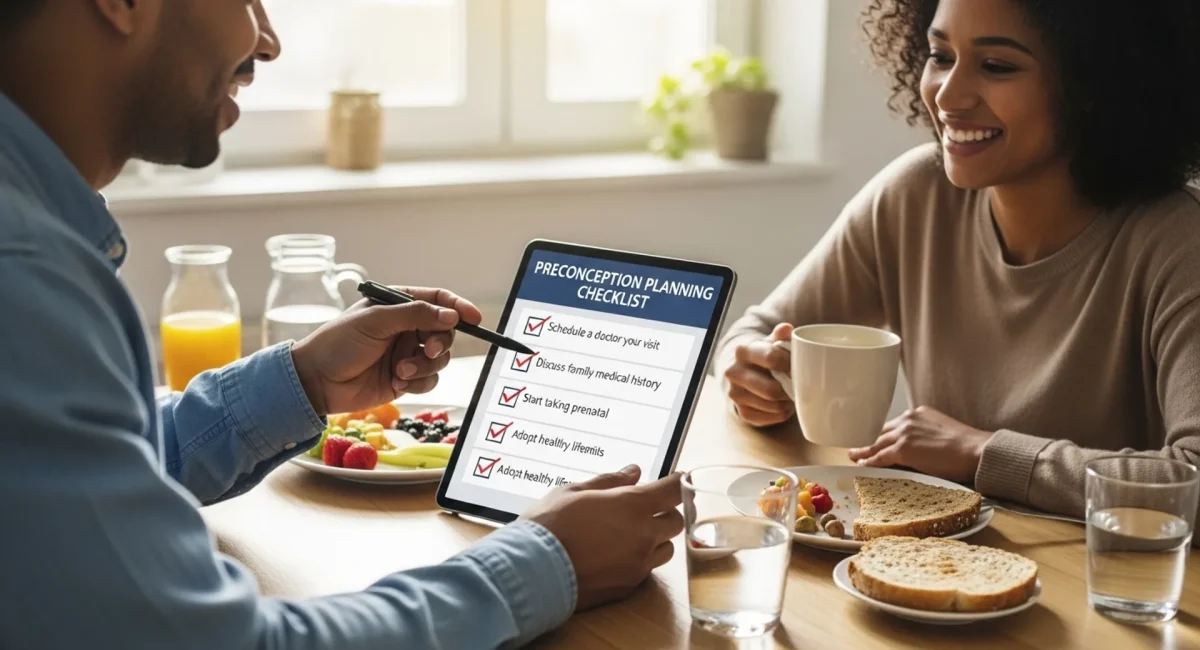
“Trimester zero” is the latest pre-pregnancy trend circulating online. The idea sounds simple: spend the three months before conception “optimizing everything” so you can have an easier pregnancy and a healthier baby. Some of that energy is helpful—planning ahead can absolutely support a healthier start. But a lot of trimester zero content crosses the line into guilt, extreme rules, and expensive supplement stacks that aren’t backed by evidence.
This guide gives you a realistic, doctor-approved trimester zero checklist—what actually matters, what’s optional, and what’s mostly hype. Use it as a calm, practical plan you can start this week.
What “Trimester Zero” Really Means (and What It Doesn’t)
In real life, “trimester zero” is just preconception health: taking steps before pregnancy to lower risks and support fertility. It is not a guarantee. It is not a moral scorecard. And it is definitely not a requirement to buy 12 different powders, test kits, and detox teas.
Think of trimester zero like setting up your home before a storm: you can’t control everything, but you can reduce avoidable problems and make the journey smoother.
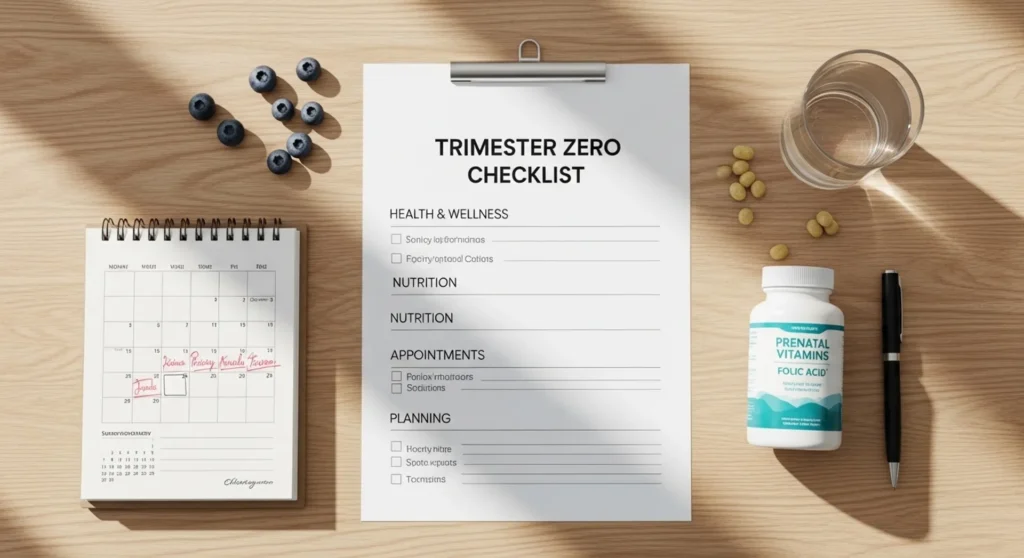
The Trimester Zero Checklist That Actually Moves the Needle
1) Start folic acid (this is non-negotiable)
If you do only one thing in trimester zero, do this: take 400 mcg of folic acid daily. It supports early fetal neural tube development, and those first weeks often happen before you even see a positive test.
- Choose a prenatal vitamin with at least 400 mcg folic acid (or folate equivalent).
- Start at least 1 month before trying, ideally 3 months.
- If you have special risk factors (like a prior pregnancy affected by a neural tube defect), your clinician may recommend a higher dose.
Quick tip: Put your prenatal next to your toothbrush and take it at the same time daily.
2) Review your medications and supplements (don’t DIY this)
Some common meds are perfectly safe, while others need to be adjusted before pregnancy. This includes prescription meds, acne treatments, migraine meds, seizure meds, anxiety meds, and certain herbal supplements.
- Make a list of everything you take: prescriptions, OTC meds, vitamins, teas, “natural” products.
- Bring it to a preconception appointment (or message your clinician if you already have one).
- Do not stop essential meds abruptly—switching safely matters.
If you want a simple rule: your OB or primary care provider should be the one deciding changes, not TikTok.
3) Book a preconception checkup (even one visit helps)
A single appointment can catch issues early—before they become pregnancy complications. Ask about:
- Blood pressure screening
- Weight changes and nutrition goals (no crash dieting)
- Thyroid concerns, anemia, vitamin deficiencies
- Family history and genetic screening options (if relevant)
- Timing sex for conception (simple guidance is usually enough)
If you’re already pregnant or might be, compare your symptoms with our guide:
First Trimester Pregnancy Symptoms: What to Expect and How to Cope.
4) Update vaccines before pregnancy when possible
Preconception is a great time to check whether you’re up to date on routine vaccines. Some vaccines are best handled before pregnancy, while others are recommended during pregnancy. Your provider can tailor timing for your situation.
To understand what’s commonly recommended in pregnancy, read:
Vaccines During Pregnancy (2025): Flu, Tdap, COVID-19 & RSV—What’s Recommended and When.
5) Prioritize blood sugar stability and balanced meals
You don’t need a perfect diet. But you do want steady energy, solid nutrition, and blood sugar balance—especially if you have PCOS, prediabetes, or a family history of diabetes.
- Build meals around protein + fiber + healthy fats.
- Eat regular meals (skipping meals often backfires).
- Focus on basics: eggs, fish (low-mercury), beans, yogurt, fruits, vegetables, whole grains.
Want a deeper “food as support” approach? Your gut health plays a role too:
Gut Health During Pregnancy: Why Your Microbiome Matters for You and Your Baby.
6) Move your body in a way you can sustain
Trimester zero workouts don’t need to be intense. Consistency beats intensity. Aim for movement that supports stress, sleep, and circulation.
- Walking, swimming, light strength training, prenatal-friendly yoga
- Start small: 15–20 minutes most days
- Train for “feeling better,” not punishment
7) Sleep and stress: make them part of the plan
Stress doesn’t “cause infertility” in a simple way, but chronic stress can affect habits, hormones, libido, and sleep. In trimester zero, your goal is not “no stress.” It’s better recovery.
- Set a consistent bedtime and wake time.
- Get morning light if you can.
- Try a 5-minute nightly wind-down (stretching, breathing, journaling).
8) Quit smoking/vaping and limit alcohol (real risk reducers)
If you smoke or vape, stopping is one of the most meaningful health upgrades you can make before pregnancy. If you drink, consider scaling back while trying to conceive—especially because early pregnancy often starts before you know.
If stopping feels hard, treat it like healthcare, not willpower. Ask your clinician for support.
9) Track cycles in a low-stress way
You do not need to micromanage your entire life to conceive. But basic cycle awareness can help, especially if your periods are irregular.
- Track period start dates in an app or calendar.
- Notice patterns: cycle length, cervical mucus changes, ovulation symptoms.
- If you want a simple starting tool, use our home page Pregnancy Due Date Calculator once you have a last menstrual period date.
Common Trimester Zero Myths (Save Your Time and Money)
Myth: “You need a detox before pregnancy.”
Your liver and kidneys already detox your body. Many “detox” products are unregulated and can be risky. Focus on fiber, hydration, sleep, and whole foods instead.
Myth: “If you do trimester zero perfectly, pregnancy will be easy.”
That’s not how pregnancy works. Trimester zero can improve odds and reduce certain risks, but it does not guarantee outcomes. Avoid anyone selling certainty.
Myth: “More supplements = better fertility.”
Some supplements matter (like folic acid), but excessive stacking can cause side effects or interact with medications. If you’re tempted to buy a long list, pause and ask your clinician first.
When to Get Help (Don’t Wait Too Long)

Consider talking to a healthcare provider sooner if:
- You have irregular cycles, very painful periods, or suspected PCOS/endometriosis
- You have thyroid disease, diabetes, high blood pressure, or autoimmune conditions
- You’ve had recurrent miscarriages
- You’ve been trying for 12 months (or 6 months if age 35+)
Also, if you’re in early pregnancy and want to know what’s “normal,” our week-by-week overview is a great anchor:
Week-by-Week Pregnancy Journey: What Happens Each Trimester.
A Simple 30-Day Trimester Zero Plan (Start Here)
Week 1: Foundations
- Start prenatal with 400 mcg folic acid
- Make a meds/supplement list
- Set a consistent bedtime
Week 2: Appointment + habits
- Book a preconception checkup
- Add 20 minutes of walking most days
- Build meals around protein + fiber
Week 3: Reduce risks
- Cut smoking/vaping (get support if needed)
- Limit alcohol while trying to conceive
- Check vaccine status with your provider
Week 4: Keep it sustainable
- Choose two habits you can maintain long-term
- Stop chasing perfection
- Focus on consistency and support
Final Thoughts: Trimester Zero Should Feel Empowering, Not Exhausting
The best trimester zero plan is one you can actually live with. Take the evidence-based steps—folic acid, medication review, preconception care, balanced nutrition, movement, sleep—and skip the panic. If social media makes you feel like you’re failing before you even conceive, that’s your sign to step back and come back to the basics.
You’re not behind. You’re planning—smartly.
External resource: For an authoritative overview of prepregnancy care, visit
ACOG: Good Health Before Pregnancy (Prepregnancy Care).