Iron deficiency in pregnancy can sneak up quietly. Many pregnant women expect fatigue, shortness of breath, dizziness, and low energy to be “just pregnancy.” Sometimes that is true. Your body works harder, blood volume rises, sleep changes, and nausea can make eating harder. However, low iron can also cause or worsen those same symptoms.
Iron helps your body make hemoglobin, the protein in red blood cells that carries oxygen. During pregnancy, your body needs more blood to support you, the placenta, and your growing baby. That extra demand means your iron needs increase. If your iron stores run low, you may develop iron deficiency. If the problem becomes more severe, it can turn into iron deficiency anemia.
The tricky part is that symptoms do not always tell the full story. Some women feel exhausted with only mild anemia. Others have low iron stores before their hemoglobin drops. This is why lab testing matters. A complete blood count can check anemia, while ferritin can help show stored iron. Your provider can decide which tests fit your situation.
If pregnancy nutrition already feels overwhelming, e-Pregnant’s guide on nutrition myths in pregnancy can help you separate useful advice from online noise. This article focuses specifically on iron, fatigue, ferritin, and what to ask at your prenatal visits.
Why Iron Deficiency In Pregnancy Deserves Attention
Pregnancy increases the body’s need for iron. Your blood volume expands, your baby builds iron stores, and your placenta needs steady oxygen support. When your diet, supplements, or stored iron cannot keep up, symptoms may begin slowly. You might feel more tired than expected, get winded more easily, notice headaches, feel weak, or struggle with focus.
Fatigue is common in pregnancy, but severe or persistent tiredness deserves attention. Do not assume you simply need to “push through.” Low iron can affect your daily energy, mood, exercise tolerance, and ability to recover. It can also overlap with other pregnancy concerns, including thyroid problems, low vitamin B12, poor sleep, dehydration, infection, or high stress.
Iron deficiency and anemia are related, but not identical
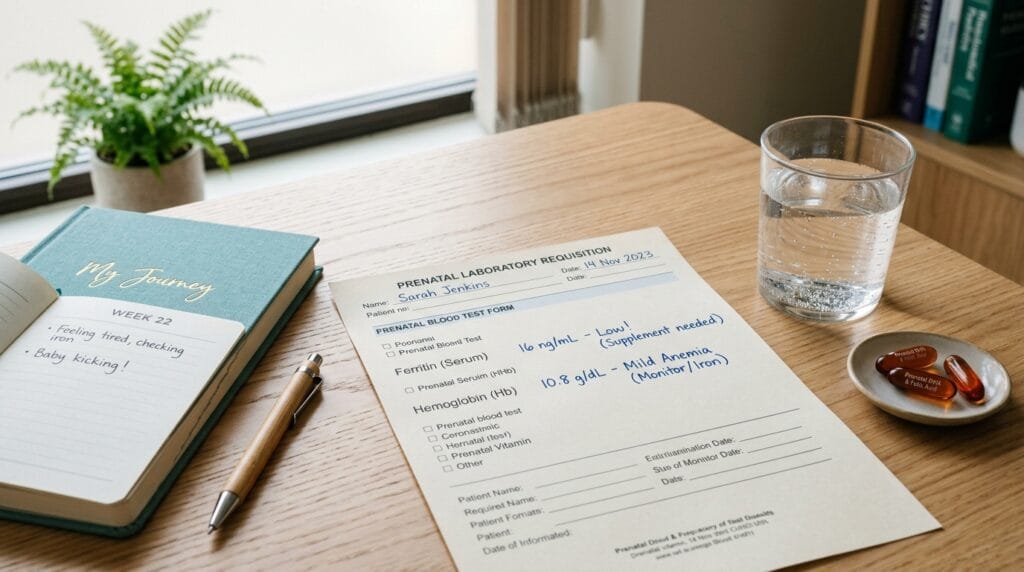
Iron deficiency means your iron stores are low. Anemia means your red blood cells or hemoglobin level has dropped below the expected range. You can have low iron before full anemia appears. This early stage matters because it may explain symptoms and give your provider a chance to act before the problem gets worse.
Many prenatal visits include a complete blood count. This test looks at hemoglobin, hematocrit, and other red blood cell markers. Ferritin gives another layer of information because it reflects stored iron. A low ferritin level may show that your body has already used up much of its backup supply.
Ferritin can help explain “normal labs but still exhausted”
Some pregnant women hear that their hemoglobin looks normal, yet they still feel deeply tired. In that situation, ferritin may help your provider understand whether iron stores are low. This does not mean every tired pregnant woman needs every lab test. It means symptoms, risk factors, and test results should work together.
Ask your provider what your numbers mean instead of trying to interpret them alone. Lab ranges can change during pregnancy, and your personal history matters. A provider can review your diet, prenatal vitamin, symptoms, previous pregnancies, menstrual history, and any conditions that affect absorption.
Who has a higher risk of low iron?
Some pregnant women face a higher risk of iron deficiency in pregnancy. Risk can increase if you had low iron before conception, heavy periods before pregnancy, pregnancies close together, twins or multiples, severe nausea, limited food intake, a vegetarian or vegan diet, inflammatory bowel disease, prior bariatric surgery, or a history of anemia.
Teen pregnancy, food insecurity, frequent vomiting, and poor tolerance of prenatal vitamins can also make iron harder to maintain. If any of these apply to you, mention them during prenatal care. Your provider may monitor you more closely or suggest a specific plan.
Food cravings and food aversions can affect iron intake
Pregnancy can change what you can tolerate. Meat may smell impossible. Vegetables may trigger nausea. Coffee or tea may become part of your survival routine. These changes can influence iron intake and absorption. You do not need a perfect diet, but you do need a realistic plan that fits your symptoms.
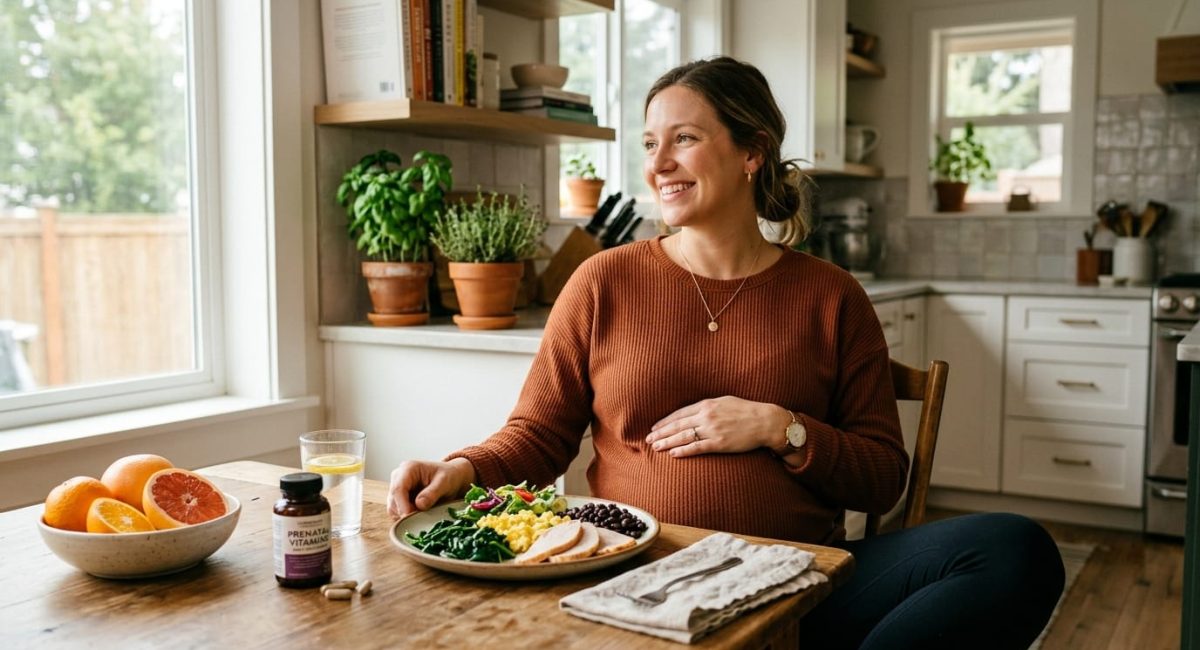
If nausea limits your meals, try smaller portions more often. Pair iron-rich foods with vitamin C foods when possible. For example, beans with citrus, eggs with fruit, or spinach with strawberries can support a better meal pattern. If you cannot tolerate certain foods, your provider or dietitian can help you find alternatives.
How To Support Healthy Iron Levels During Pregnancy
Managing iron deficiency in pregnancy should not become a guessing game. The right approach depends on your symptoms, blood work, pregnancy stage, diet, medical history, and supplement tolerance. Some women need only a prenatal vitamin with iron. Others need a separate iron supplement. A smaller group may need additional evaluation or different treatment.
For trusted general guidance, the World Health Organization explains that pregnant women need additional iron and folic acid to meet their own nutritional needs and support fetal development. You can read the WHO page here: WHO daily iron and folic acid supplementation during pregnancy.
Iron-rich foods can help, but some people still need supplements
Food matters, but food alone may not fix every case. Iron comes in two main forms. Heme iron comes from animal foods like lean meat, poultry, and fish. Your body usually absorbs heme iron more easily. Non-heme iron comes from plant foods like beans, lentils, tofu, spinach, pumpkin seeds, fortified cereals, and whole grains.
You can improve non-heme iron absorption by pairing it with vitamin C. Citrus, strawberries, bell peppers, tomatoes, kiwi, and broccoli can help. At the same time, calcium supplements, tea, coffee, and some high-fiber foods may reduce absorption when taken at the same time as iron. You do not need to avoid them completely. Timing may matter.
Do not take high-dose iron without asking your provider
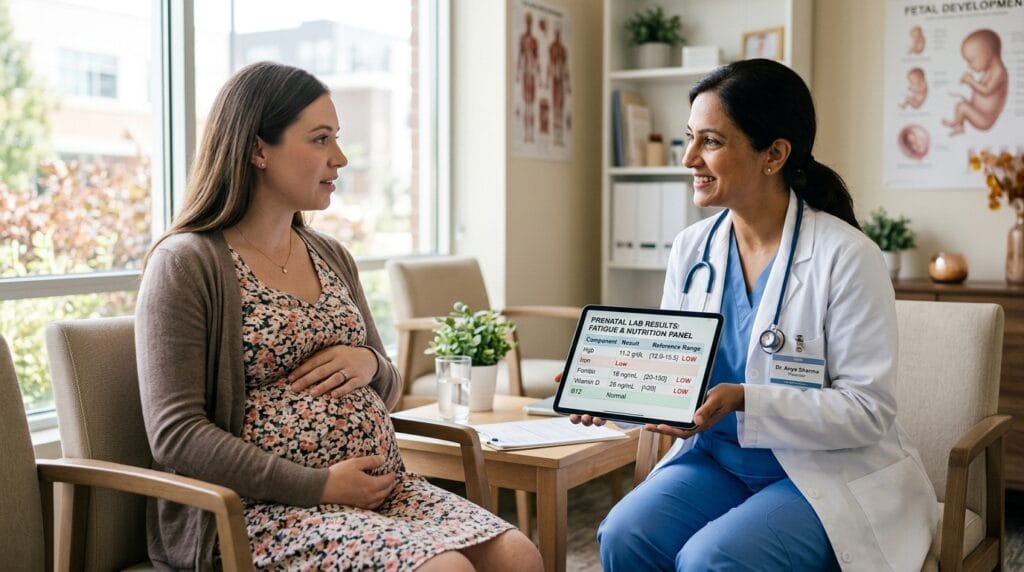
Iron supplements can cause constipation, nausea, stomach pain, dark stools, or vomiting. Taking more iron than you need can also create problems. That is why you should ask your provider before adding a high-dose supplement, especially if your prenatal vitamin already contains iron.
If iron upsets your stomach, tell your provider instead of quitting silently. They may suggest a different form, dose, timing, or schedule. Some people tolerate iron better with food, although absorption may change. Your provider can help balance comfort and effectiveness.
When to call your provider about fatigue or symptoms
Call your provider if you feel extreme fatigue, dizziness, fainting, chest pain, racing heartbeat, shortness of breath at rest, severe weakness, or symptoms that interfere with daily life. Also speak up if you crave ice, clay, dirt, or other non-food items, because unusual cravings can sometimes appear with iron deficiency.
If symptoms appear early in pregnancy, you may also want to review e-Pregnant’s guide on first trimester pregnancy symptoms. Some symptoms overlap, but persistent or intense changes deserve medical attention.
Iron also matters after delivery. Blood loss during birth, breastfeeding demands, sleep deprivation, and recovery can leave some mothers feeling depleted. If you had anemia during pregnancy or heavy bleeding during birth, ask whether you need follow-up testing postpartum.
Iron deficiency in pregnancy is common, but common does not mean harmless or something to ignore. The good news is that testing, food choices, prenatal vitamins, and provider-guided treatment can make a real difference. You do not need to diagnose yourself or chase every supplement trend online.
The best next step is simple: mention your symptoms, ask about your blood work, and review your prenatal vitamin with your healthcare provider. When you understand your iron status, you can protect your energy, support your baby’s growth, and move through pregnancy with a clearer plan.