
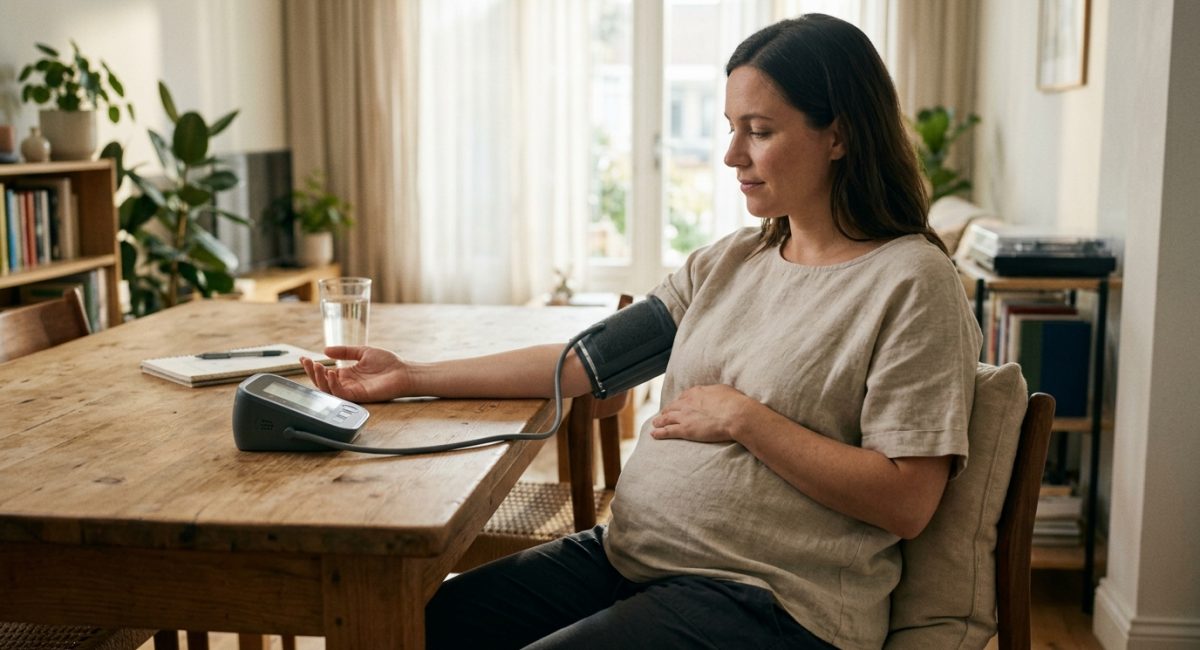
Blood pressure monitoring during pregnancy in 2026 is an important part of prenatal care, especially for women who already have hypertension or develop high readings while expecting. A home blood pressure monitor can help you and your healthcare team recognize changes between appointments.
However, one measurement cannot diagnose preeclampsia, and a normal reading does not rule out every pregnancy complication.
The Centers for Disease Control and Prevention updated its general home blood pressure measurement guidance in September 2026. The advice highlights accurate technique and the importance of sharing results with healthcare professionals.
This pregnancy guide explains how blood pressure readings work, how to measure them at home, which symptoms need attention, and how to prepare questions for your prenatal team.
Why Blood Pressure Monitoring Matters During Pregnancy
Blood pressure measures the force of blood against artery walls. The first number, called systolic pressure, reflects the force when the heart contracts. The second number, called diastolic pressure, reflects the force between heartbeats.
Blood pressure can change throughout pregnancy. Some women enter pregnancy with hypertension, while others develop elevated readings later.
Because high blood pressure often causes no obvious symptoms, regular prenatal checks remain essential.
Understand hypertension and preeclampsia
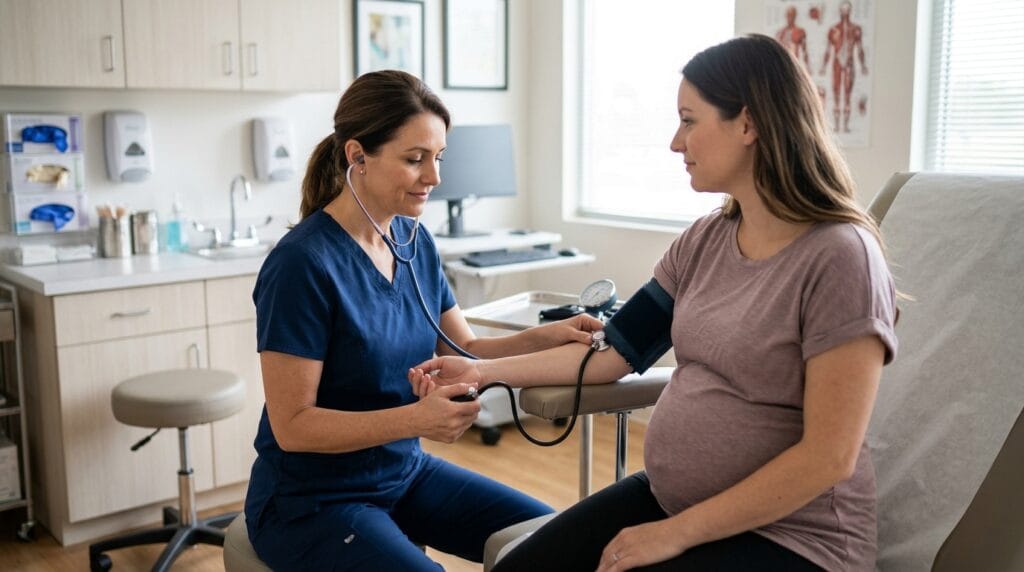
Healthcare professionals distinguish several pregnancy-related blood pressure conditions.
Chronic hypertension generally exists before pregnancy or appears before 20 weeks. Gestational hypertension develops after 20 weeks in someone whose earlier blood pressure was normal.
Preeclampsia typically involves new hypertension after 20 weeks together with protein in the urine or other evidence of organ involvement. It can also develop after childbirth.
These conditions require professional evaluation because their treatment and monitoring needs differ.
What do 140/90 and 160/110 mean?
A reading of 140/90 mm Hg or higher raises concern for hypertension during pregnancy. Either an elevated systolic number or an elevated diastolic number can be significant.
Clinicians generally confirm the pattern using additional measurements and the patient’s circumstances.
A systolic reading of 160 or higher, or a diastolic reading of 110 or higher, reaches the severe range.
If you obtain a severe-range reading, seek urgent medical assessment immediately. Do not wait until your next scheduled prenatal appointment.
For lower but elevated results, contact your prenatal team promptly and follow the response plan they provided.
These numbers guide evaluation; they do not replace a clinician’s diagnosis.
Why preeclampsia may develop without obvious symptoms
Some women feel well even when their blood pressure rises. Others notice symptoms that resemble ordinary pregnancy discomforts.
Possible warning signs include persistent headache, visual changes, pain in the upper abdomen, sudden swelling of the face or hands, and difficulty breathing.
Preeclampsia can affect the kidneys, liver, brain, and other organs. Severe disease may create serious risks for both the pregnant patient and baby.
Regular appointments allow clinicians to assess blood pressure alongside symptoms, laboratory tests, and fetal growth when indicated.
Read the CDC’s guide to high blood pressure during pregnancy for additional medical information.
How to check blood pressure correctly at home
Ask your healthcare professional whether home monitoring is appropriate for your pregnancy and which device they recommend.
A validated automatic upper-arm monitor with a properly sized cuff is generally preferable to unvalidated devices.
Bring your monitor to an appointment so your clinical team can review its fit and compare readings.
Follow the manufacturer’s instructions and your healthcare team’s measurement schedule.
Prepare before taking a home reading
For a routine measurement, avoid exercise, smoking, and caffeine for about 30 minutes beforehand when practical. Empty your bladder and sit quietly for at least five minutes.
Keep your back supported, feet flat on the floor, and legs uncrossed. Support your bare arm at heart level.
Place the cuff correctly and avoid talking during the reading.
Take the number of measurements your clinician recommends. Record the results rather than selecting only the lowest one.
If you feel seriously unwell, do not delay seeking care just to follow a perfect measurement routine.
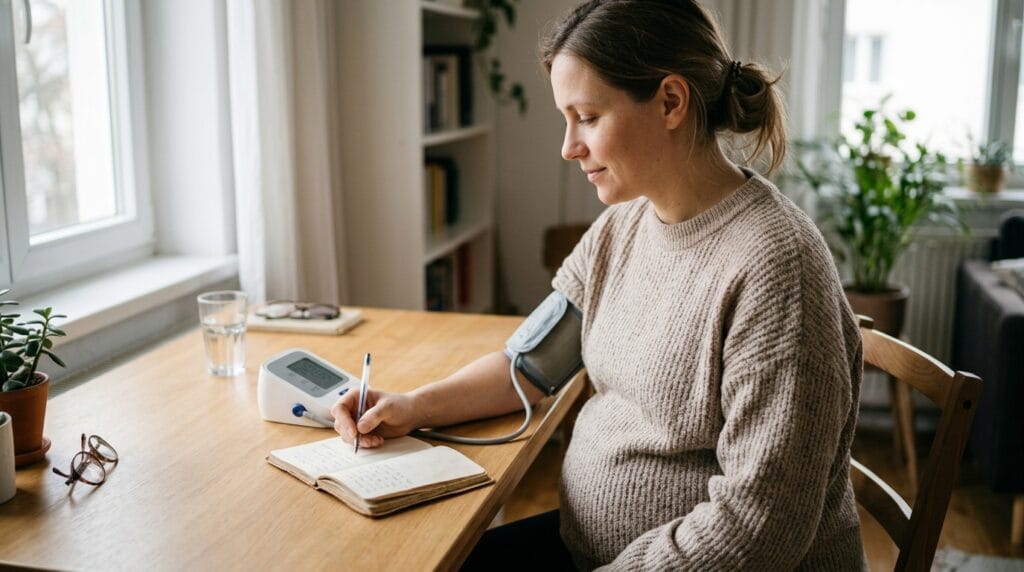
Make a simple blood pressure log
Record the date, time, systolic reading, diastolic reading, and any symptoms.
Include relevant notes when your clinician requests them, such as medication timing or whether you recently exercised.
Use a notebook, spreadsheet, or secure patient portal.
Bring the record to your appointments and explain unexpected patterns.
A blood pressure log helps your healthcare team interpret readings over time. However, it cannot replace laboratory testing, ultrasound, or an in-person medical assessment.
Never change prescribed blood pressure medicine based on a single home reading unless your clinician has given you a specific plan.
When to Contact Your Prenatal Team About Blood Pressure
Before beginning home monitoring, agree on a clear response plan with your prenatal team.
Ask which readings require a call, which require urgent evaluation, and what to do outside normal clinic hours.
People with chronic hypertension or previous preeclampsia may need individualized thresholds and follow-up arrangements.
Contact information should remain easy to find, particularly during evenings, weekends, and travel.
Recognize warning signs and plan follow-up care
Call your maternity team promptly for new or persistent symptoms that could indicate preeclampsia, even if your most recent home reading looks normal.
Symptoms may include a headache that will not improve, seeing spots, unusual visual blurring, sudden swelling, upper abdominal pain, or new nausea later in pregnancy.
Severe headache, major visual disturbance, breathing difficulty, chest pain, seizure, or severe-range blood pressure requires immediate medical attention.
Seek emergency care rather than relying on email or an online appointment request for urgent symptoms.
What changes after your baby is born?
High blood pressure problems do not always end with delivery. Postpartum preeclampsia may develop even in someone who had normal readings during pregnancy.
It can occur during the first days after birth and sometimes as late as six weeks postpartum.
Continue monitoring if your healthcare team recommends it. Ask when to schedule follow-up and whether your medication needs adjustment.
Seek immediate care for severe symptoms after delivery. Tell the healthcare team that you recently gave birth.
Discuss medication safety if you plan to breastfeed, and do not stop prescribed treatment without medical advice.
Prepare questions for your prenatal appointments
Ask whether your personal medical history increases your risk of hypertension or preeclampsia.
Find out how often you should check blood pressure at home and which readings require urgent action.
Discuss any medicine, supplement, or over-the-counter product you currently take.
For people with particular risk factors, clinicians may recommend low-dose aspirin. Do not begin aspirin on your own; the dose, timing, and suitability require professional guidance.
Our first trimester survival guide offers related tips for preparing early in pregnancy.
If prenatal appointments become difficult to arrange, explain your symptoms when contacting the clinic and request triage guidance rather than waiting silently for the next available slot.
Home monitoring can help identify changes, but pregnancy care includes many other checks. Your clinician may request urine testing, blood tests, fetal growth ultrasound, or additional surveillance.
These assessments provide information that home blood pressure numbers alone cannot show.
For example, a person may require further testing when symptoms suggest preeclampsia despite an uncertain home reading.
Conversely, a single elevated number may reflect technique or temporary variation, although it still deserves the follow-up your clinical team recommends.
Understanding this difference can prevent both unnecessary assumptions and dangerous delays.
Our pregnancy symptoms guide explains common physical changes, but never use a general symptom list to dismiss a new or severe concern.
Good prenatal communication also involves discussing your personal risk factors.
Previous preeclampsia, kidney disease, diabetes, chronic hypertension, a multiple pregnancy, and certain other factors may increase the need for closer monitoring.
Having a risk factor does not guarantee that you will develop preeclampsia. Likewise, having no recognized risk factors does not make the condition impossible.
Your clinician can interpret these factors alongside your medical history and current pregnancy.
When choosing a home monitor, focus on accuracy and proper cuff size rather than expensive extra features.
Mobile apps and automatic charts can make readings easier to organize. However, they should not replace the agreed process for contacting your healthcare team.
If you notice a concerning pattern, communicate directly rather than assuming that uploading a result means someone has reviewed it.
Try taking readings at consistent times when following a routine monitoring plan.
Consistency makes trends easier to compare, but your clinician may recommend different times based on medication or other medical circumstances.
Do not repeatedly measure your blood pressure every few minutes out of anxiety. Follow the schedule and repeat-measurement instructions your team gives you.
If a reading seems unexpected, check your posture and cuff placement. However, do not use repeated measurements to delay care for severe readings or dangerous symptoms.
Keep your prenatal records together, including appointment dates, medicine lists, and emergency contact numbers.
If you receive care at more than one facility, make sure each clinical team knows about your hypertension history and current treatment.
Good coordination becomes especially valuable near delivery and during the postpartum period.
You can also review our pregnancy nutrition guide for general food planning ideas. Nutrition supports overall health, but diet changes alone cannot treat preeclampsia.
Blood pressure monitoring during pregnancy in 2026 can provide useful information between prenatal visits. The most important steps are choosing an appropriate monitor, measuring consistently, recording results, and knowing when to seek help.
Above all, remember that a normal home reading does not override serious symptoms. Work with your prenatal team to create a plan that reflects your pregnancy and medical history.
Medical disclaimer: This article provides general education, not diagnosis or individualized medical advice. Seek urgent medical care for severe-range blood pressure or warning signs of a serious pregnancy complication.