
Choline in pregnancy is getting more attention in 2026 because many moms now look beyond the basic prenatal vitamin checklist. Most people already hear about folic acid, iron, vitamin D, and DHA. But choline is another important nutrient that supports pregnancy health and baby development.
Choline helps the body build healthy cells. It also supports the baby’s brain and nervous system development. During pregnancy, your needs increase. That does not mean you need to panic or buy every supplement online. It means you should understand what choline does, where to get it, and when to ask your provider for guidance.
This topic matters because many prenatal vitamins do not contain much choline. Some contain none at all. A person may take a prenatal every day and still not get enough choline from the supplement. Food choices can help fill that gap, but some diets need more planning.
If you are pregnant or trying to conceive, the goal is not perfection. The goal is steady, realistic nutrition. You can start by learning the basics, checking your prenatal label, and asking your OB-GYN, midwife, or dietitian what makes sense for your body.
Why Choline in Pregnancy Is Getting More Attention
Choline in pregnancy matters because pregnancy is a time of rapid cell growth. Your body supports your own health while also helping your baby grow. Nutrients such as folic acid, iodine, iron, DHA, vitamin D, and choline all play different roles.
Choline is often discussed with brain development because it helps support the structure and function of cells. It also plays a role in the nervous system. During pregnancy, the baby depends on the mother’s nutrient intake and stores. That is why regular meals and smart prenatal planning can make a difference.
What Choline Does During Pregnancy
Choline supports several body processes. It helps form cell membranes. It supports normal liver function. It also helps produce acetylcholine, a chemical messenger involved in memory, muscle movement, and nervous system function.
For pregnancy, choline is most often discussed because of fetal brain and nervous system development. It also works with other nutrients involved in early growth. That is one reason it belongs in the same conversation as folic acid and prenatal vitamins.
If you are still early in pregnancy, it may also help to review your full care timeline. Our guide on when to schedule your first prenatal visit explains why early care matters.
Choline Supports Brain And Nervous System Development
Many people hear about choline because of baby brain development. That is a fair reason to pay attention. The baby’s brain and nervous system grow quickly during pregnancy, and nutrition helps support that process.
Still, choline is not a magic nutrient. It works as part of a full pregnancy nutrition plan. A healthy pattern may include protein, fruits, vegetables, whole grains, healthy fats, calcium-rich foods, and enough fluids. A prenatal vitamin can help, but food still matters.
Why Prenatal Vitamins May Not Provide Enough Choline
Many prenatal vitamins focus on folic acid, iron, iodine, and vitamin D. Those nutrients are important. But choline is bulky compared with many vitamins and minerals. Because of that, some prenatal formulas leave it out or include only a small amount.
This is why checking the label matters. Do not assume your prenatal includes choline just because it says “complete” or “advanced.” Look for the word choline and check the amount per serving.
If your prenatal does not include much choline, do not immediately add a separate supplement. Ask your provider first. Your diet, health history, medications, nausea, food restrictions, and pregnancy needs all matter.
Check The Label Instead Of Guessing
Turn the bottle around and read the supplement facts panel. Check the serving size first. Some prenatal vitamins require two or three pills per day. Then look for choline and the amount listed.
Also check whether your prenatal includes iron. Some gummies do not. That does not make them bad for everyone, but it does mean you should know what you are taking. If you feel confused, bring the bottle to your prenatal visit.
How To Get Choline Safely Through Food And Supplements
The best way to approach choline in pregnancy is with balance. Food should be your first foundation when possible. Supplements may help some people, but they should fit your care plan.
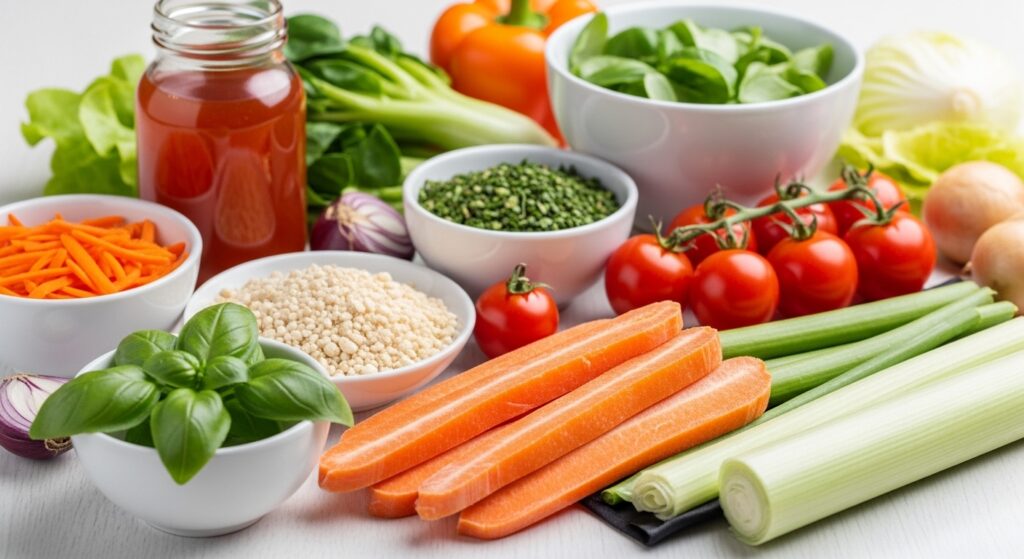
Common choline food sources include eggs, chicken, beef, fish, milk, soy products, peanuts, and some vegetables. Eggs are one of the best-known sources. For many people, adding eggs or other choline-rich foods can be a simple step.
Best Food Sources And Who May Need Extra Planning
If you eat eggs, dairy, meat, fish, or soy, you may have several ways to add choline. A breakfast with eggs, a lunch with chicken, or a dinner with fish can all contribute. Milk, yogurt, soy foods, peanuts, broccoli, and whole grains can also help.
If you follow a vegan diet, avoid eggs, dislike meat, or have severe nausea, you may need more planning. You can still build a healthy pregnancy diet, but you may need help from a provider or dietitian. The goal is to prevent gaps without overloading on unnecessary supplements.
Nutrition advice can feel overwhelming. Our article on Trimester Zero and evidence-based preconception planning can help you focus on practical steps instead of social media pressure.
Eggs And Animal Foods Are Common Sources

Eggs are a popular choline source because they are affordable and easy to use. Chicken, beef, fish, milk, and yogurt can also contribute. If you eat these foods, you may already get some choline from your regular meals.
Food safety still matters during pregnancy. Cook eggs fully. Choose safer fish options that are lower in mercury. Avoid unpasteurized dairy. If nausea makes protein hard to tolerate, ask your provider for ideas that fit your symptoms.
Ask Your Provider Before Adding A Separate Supplement
A separate choline supplement may help some people, but it is not something everyone needs. More is not always better. High supplement doses can cause side effects and may not be right for your health situation.
Ask your provider how much choline you may already get from food and your prenatal vitamin. Also ask if a supplement makes sense for your diet. This is especially important if you take medications, have liver concerns, have a high-risk pregnancy, or manage a condition such as gestational diabetes.
If blood sugar is part of your care plan, read our guide on gestational diabetes testing in 2026. It explains why nutrition and screening both matter, even when you feel fine.
For a trusted external source, you can review ACOG’s guide to healthy eating during pregnancy. It lists choline, folic acid, iron, iodine, calcium, vitamin D, and other key nutrients.
You can also use your pregnancy timeline to plan better meals. Our week-by-week pregnancy journey explains how needs and appointments change across each trimester.
The bottom line is simple. Choline in pregnancy deserves attention, but it does not need to create fear. Start with food. Check your prenatal label. Ask your provider if your intake looks low. Then build a plan that fits your body, diet, and stage of pregnancy.
Pregnancy nutrition should support you, not stress you out. Choline is one useful piece of the bigger picture. When you combine smart food choices, prenatal care, and trusted guidance, you give yourself a stronger foundation for a healthy pregnancy.
Medical disclaimer: This article is for educational purposes only and is not a substitute for personal medical advice. Always talk with your OB-GYN, midwife, dietitian, or prenatal care provider before changing supplements during pregnancy.