
Low-dose aspirin pregnancy questions are becoming more common in prenatal care. More moms are hearing about baby aspirin online, in pregnancy groups, or during early appointments. Some hear that it may help prevent preeclampsia. Others worry because aspirin sounds like a medicine they should avoid during pregnancy.
The truth is more specific. Low-dose aspirin is not for every pregnancy. It is also not something to start on your own. But for some pregnant people with higher risk factors, a provider may recommend it to help lower the risk of preeclampsia and related complications.
Preeclampsia is a serious pregnancy condition linked with high blood pressure and signs that organs may be under stress. It often develops after 20 weeks. It can affect the pregnant person and the baby. This is why prevention and early monitoring matter.
If your provider brings up low-dose aspirin, it does not mean something is wrong. It may mean they see risk factors that deserve extra prevention. If you have not heard about it yet, you can still ask at your next visit. A simple question can help you understand whether it applies to your pregnancy.
Why Low-Dose Aspirin Pregnancy Guidance Matters
The main reason low-dose aspirin pregnancy guidance matters is preeclampsia prevention. Preeclampsia can become dangerous if it is missed or untreated. It may cause high blood pressure, headaches, vision changes, swelling, belly pain, abnormal labs, poor fetal growth, or early delivery.
Not every case can be prevented. Still, medical groups recommend low-dose aspirin for some people who have higher risk. The goal is to reduce risk before the condition develops. Timing is important, so this conversation should happen early in prenatal care.
What Preeclampsia Means For Pregnancy
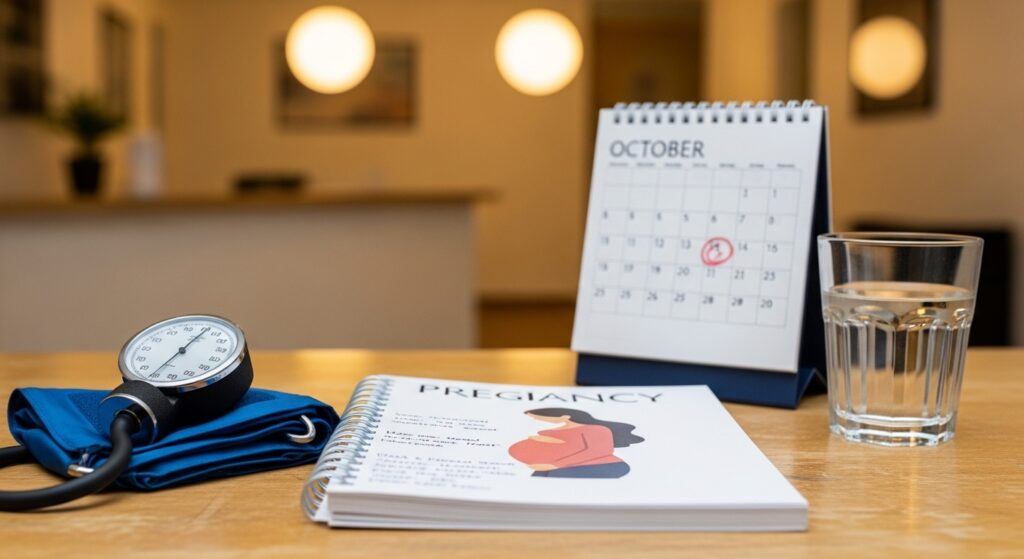
Preeclampsia is more than a high blood pressure reading. It can affect the kidneys, liver, brain, blood clotting system, placenta, and baby’s growth. Some people feel symptoms. Others feel mostly normal, which is why prenatal visits and blood pressure checks matter.
This is one reason your provider checks your blood pressure so often. They are not just collecting routine numbers. They are looking for warning signs before symptoms become severe.
If blood pressure tracking is already on your mind, read our guide on home blood pressure monitoring in pregnancy. It explains when home readings may help and when you should call your provider.
Blood Pressure Can Change Even If You Feel Fine
Many pregnancy conditions do not announce themselves clearly. You may feel tired, swollen, or uncomfortable and assume it is normal pregnancy. Sometimes it is. Sometimes your provider needs to check closer.
Call your provider right away if you have severe headache, vision changes, chest pain, shortness of breath, severe upper belly pain, sudden swelling, fainting, or blood pressure readings your provider told you to treat as urgent. Do not wait for symptoms to “settle” if they feel serious.
Who May Be Asked To Consider Low-Dose Aspirin
Your provider may consider low-dose aspirin if you have risk factors for preeclampsia. High-risk factors can include a history of preeclampsia, carrying twins or more, chronic hypertension, kidney disease, autoimmune disease, or diabetes. Some people may also qualify when they have more than one moderate risk factor.
Moderate risk factors can include first pregnancy, age 35 or older, obesity, family history of preeclampsia, certain health and social risk factors, or a previous pregnancy with complications. Your provider will look at your full history, not just one detail.
This is why your first prenatal visit matters. That visit helps your care team review your medical history, past pregnancies, medications, blood pressure, and screening needs. If you are early in pregnancy, our article on when to schedule your first prenatal visit can help you prepare.
Do Not Start Aspirin Without Your Provider
Low-dose aspirin may sound simple, but pregnancy medication decisions need personal guidance. Your provider needs to know your history, allergies, bleeding risks, stomach issues, medications, and pregnancy details.
Do not copy a plan from social media. Do not start aspirin because a friend took it. Ask your OB-GYN, midwife, or prenatal care provider whether it is right for you.
When To Ask About Low-Dose Aspirin And What To Expect
Timing matters with low-dose aspirin pregnancy guidance. ACOG and SMFM recommend starting between 12 and 28 weeks for those who qualify, and ideally before 16 weeks. USPSTF also recommends 81 mg per day after 12 weeks for people at high risk.
That does not mean you should panic if you are already past 16 weeks. It means you should ask your provider soon. They can tell you whether starting still makes sense for your situation.
Questions To Bring To Your Prenatal Visit
You do not need medical language to ask the right question. You can say, “Do I have any risk factors for preeclampsia, and should I consider low-dose aspirin?” That one question opens the door.
You can also ask what dose they recommend, when to start, when to stop, and what side effects to watch for. Ask whether it interacts with anything else you take. If you monitor blood pressure at home, ask what numbers should prompt a call.
If you are trying to understand where this fits in the bigger pregnancy timeline, our week-by-week pregnancy journey can help you see how screening and prevention change by trimester.
Low-Dose Aspirin Is Only One Part Of Prevention

Aspirin is not the whole plan. Prenatal care still matters. So do blood pressure checks, urine testing, labs when needed, symptom awareness, and follow-up appointments.
Healthy habits can support your pregnancy, but they do not replace medical monitoring. Eat as well as you can. Stay hydrated. Move if your provider says it is safe. Keep appointments. Report symptoms early.
Use Trusted Guidance, Not TikTok Panic
Pregnancy advice spreads fast online. Some posts make aspirin sound like a miracle. Others make it sound dangerous for everyone. Neither extreme is helpful.
The better approach is simple. Use trusted medical sources, then talk to your own provider. You can review the ACOG guidance on low-dose aspirin use during pregnancy for more background.
If you feel overwhelmed by online advice, you may also like our post on Trimester Zero and evidence-based pregnancy planning. It explains how to sort useful guidance from social media pressure.
The bottom line is clear. Low-dose aspirin pregnancy guidance can be helpful for people with higher preeclampsia risk. It is not a one-size-fits-all rule. It works best as part of a care plan built with your provider.
Ask early, especially if you have high blood pressure, diabetes, kidney disease, a history of preeclampsia, twins, or other risk factors. Bring your questions to your next prenatal visit. The goal is not to self-diagnose. The goal is to get the right prevention plan for your pregnancy.
Medical disclaimer: This article is for educational purposes only and is not a substitute for personal medical advice. Always talk with your OB-GYN, midwife, or prenatal care provider before taking aspirin or any medication during pregnancy.