
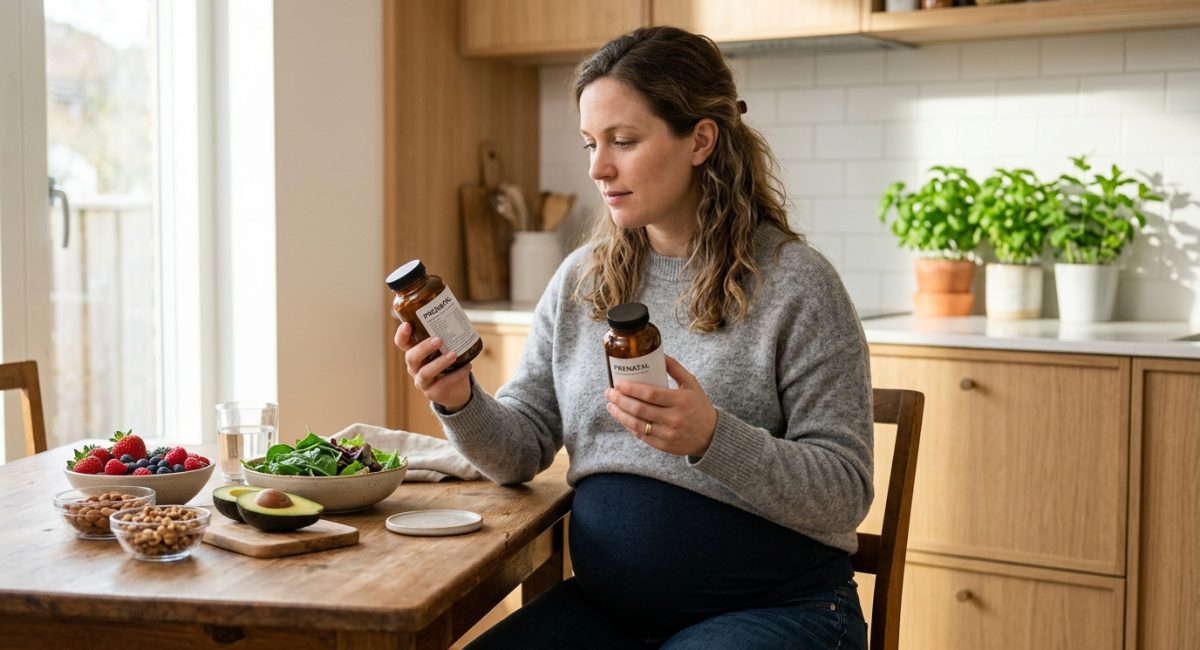
Prenatal vitamins are one of the first things many women think about when planning a pregnancy or seeing a positive pregnancy test. In 2026, the conversation is even more important because pregnancy nutrition advice is everywhere online, and not every supplement trend is worth trusting. Some products look premium because of beautiful packaging, gummies, influencers, or long ingredient lists. But the real question is simple: does the prenatal vitamin support the nutrients you and your baby actually need?
A good prenatal vitamin can help fill nutritional gaps, but it should not replace a balanced diet or prenatal care. Your body needs steady support during pregnancy, and your baby’s early development depends on nutrients that are sometimes difficult to get from food alone. This is especially true during the first trimester, when nausea, food aversions, vomiting, and fatigue can make eating well harder than expected.
This guide explains what to look for in a prenatal vitamin in 2026, including folic acid, iron, vitamin D, iodine, choline, omega-3s, and safety questions to ask before buying. It is educational and should not replace medical advice from your doctor, midwife, nurse, or qualified healthcare provider.
Why Prenatal Vitamins Still Matter Before and During Pregnancy

Pregnancy nutrition starts earlier than many people realize. Some nutrients are especially important before pregnancy and during the first few weeks, when a woman may not even know she is pregnant yet. That is why many healthcare organizations recommend starting certain nutrients, especially folic acid, before conception when possible.
The CDC explains that women who can become pregnant should get 400 micrograms of folic acid every day. Folic acid is important because it helps reduce the risk of neural tube defects, which affect the early development of the baby’s brain and spine.
If you are already pregnant and unsure where you are in your journey, you may also want to read e-Pregnant’s week-by-week pregnancy journey. Understanding your trimester can help you ask better questions about supplements, food, symptoms, and prenatal appointments.
Folic Acid: The Non-Negotiable Nutrient
Folic acid is one of the most important ingredients to check on a prenatal label. Many people hear about folic acid only after pregnancy begins, but it is most helpful when taken before pregnancy and during early pregnancy. Because early development happens quickly, waiting until later in pregnancy may miss an important window.
Most prenatal vitamins include folic acid or folate, but the amount can vary. Some women may also be advised to take a higher dose due to personal medical history, previous pregnancy complications, certain medications, or other risk factors. Do not increase your dose without medical guidance. More is not always better, especially when supplements are combined.
Check the Label Before You Trust the Marketing
Do not choose a prenatal vitamin based only on the front label. Turn the bottle around and read the Supplement Facts panel. Look for the nutrient names, amounts, and percent daily values. If the product uses vague claims like “complete pregnancy support” but does not clearly show key nutrients, be careful.
Also check the serving size. Some prenatal vitamins require two, three, or more capsules per day. Gummies may be easier to take, but they often contain less iron or no iron at all. That may be acceptable for some women, but not for everyone. Your provider can help you decide whether a gummy prenatal is enough or whether you need a separate iron supplement.
Iron, Vitamin D, Iodine, and Choline: Nutrients Many Moms Ask About
Folic acid gets the most attention, but it is not the only nutrient that matters. Iron supports healthy blood and helps reduce the risk of iron deficiency anemia. Vitamin D supports bone health and immune function. Iodine supports thyroid function, which plays an important role during pregnancy. Choline supports fetal brain development and is becoming a bigger topic in prenatal nutrition discussions.
The American College of Obstetricians and Gynecologists lists folic acid, iron, calcium, vitamin D, choline, omega-3 fatty acids, B vitamins, vitamin C, and other nutrients as important during pregnancy. This is why a prenatal vitamin should be viewed as part of a wider nutrition plan, not as a magic pill.
Iron Can Help, But It Can Also Cause Side Effects
Iron is important, but it can be tough on the stomach. Some pregnant women experience constipation, nausea, or stomach discomfort when taking iron-containing vitamins. If this happens, do not stop everything without asking your provider. You may be able to switch formulas, take the vitamin with food, adjust timing, or use a different type of iron.
If you already have nausea or morning sickness, read e-Pregnant’s guide on pregnancy symptoms from fatigue to cravings. It can help you understand which symptoms are common and when a symptom may need medical attention.
Choline Is Important, But Not Always Included
Choline is one nutrient many shoppers miss. Some prenatal vitamins include it, but many do not include enough to meet daily pregnancy needs. This does not mean every pregnant woman needs a separate choline supplement, but it does mean you should ask about it. Choline can also come from foods such as eggs, meat, fish, poultry, dairy, beans, and some vegetables.
If you avoid eggs, meat, fish, or dairy, your choline intake may be lower. Vegetarian, vegan, or highly restricted diets can still support pregnancy, but they need more planning. Tell your provider honestly how you eat so they can recommend the right supplement strategy instead of guessing.
How to Choose a Prenatal Vitamin Without Getting Fooled by Trends

The supplement aisle can be confusing. One product has more ingredients. Another claims to be natural. Another says it is organic, clean, or doctor-formulated. Those claims may sound reassuring, but they do not automatically mean the product is better for your pregnancy.
Start with the basics. Ask whether the vitamin includes folic acid or folate, iron if you need it, iodine, vitamin D, and other important nutrients. Ask whether you need DHA or omega-3 support. Ask whether your diet already covers some nutrients well. Ask whether you have a condition that changes your needs, such as anemia, thyroid disease, bariatric surgery history, severe vomiting, food allergies, or gestational diabetes risk.
If your first prenatal appointment is delayed, you can read e-Pregnant’s guide about the first prenatal visit in 2026. It explains what to do while waiting and what questions to prepare for your provider.
Questions to Ask Before Buying or Switching Prenatal Vitamins
Before you buy, ask your provider these questions: Is this prenatal vitamin right for my stage of pregnancy? Does it have enough folic acid? Do I need iron, or should I avoid extra iron unless my labs show I need it? Should I take DHA separately? Do I need choline? Is this safe with my current medications? Should I continue it while breastfeeding?
Also ask how to take it. Some vitamins are easier to tolerate at night. Some should be taken with food. Some nutrients may interfere with each other or with medications. For example, iron and calcium can compete for absorption when taken together in high amounts. Your provider or pharmacist can help you build a schedule that makes sense.
Red Flags When Shopping for Prenatal Supplements
Be careful with products that promise a perfect pregnancy, guaranteed fertility, instant energy, or “detox” benefits. Pregnancy supplements should support nutrition, not make unrealistic medical claims. Also avoid taking multiple supplements with overlapping ingredients unless your provider approves it. Combining a prenatal vitamin with separate hair, skin, nail, energy, or immunity supplements can accidentally push certain nutrients too high.
Finally, remember that the best prenatal vitamin is the one that is safe, appropriate, tolerable, and realistic for you to take consistently. A fancy bottle does not help if it makes you sick every morning. A simple, provider-approved prenatal that you can actually take may be the better choice.
Prenatal vitamins in 2026 should be chosen with care, not hype. Focus on evidence-based nutrients, read the label, consider your diet, and ask your healthcare provider before adding extras. Your pregnancy nutrition plan does not need to be perfect. It needs to be safe, steady, and built around your real body, your real symptoms, and your real needs.