Microplastics and pregnancy is becoming one of the most talked-about health topics in 2026. Moms are seeing headlines about tiny plastic particles in food, water, air, cosmetics, clothing, and even the placenta. That can feel scary, especially during pregnancy, when every decision already feels more important. But this topic needs balance. The goal is not panic. The goal is practical awareness.
Microplastics are tiny pieces of plastic that come from larger plastic items breaking down or from materials made at very small sizes. They can enter daily life through food packaging, household dust, synthetic fabrics, bottled drinks, seafood, personal care products, and other sources. Researchers are still learning what these exposures mean for pregnancy, fetal development, and long-term health.
The key message is simple: you cannot avoid every exposure, and you should not blame yourself for living in a plastic-filled world. But you can make small, realistic changes that may lower unnecessary exposure. This guide explains what moms should know about microplastics and pregnancy, what the science can and cannot say right now, and what changes are worth considering without turning pregnancy into a stressful rulebook.
This topic fits naturally with other E-Pregnant guides, including when to schedule your first prenatal visit, choline in pregnancy, and nutrition myths in pregnancy. Pregnancy health is not about perfection. It is about making informed choices that support both mom and baby.
Why Microplastics and Pregnancy Are Getting More Attention
The conversation around microplastics and pregnancy is growing because researchers are finding microplastics in more places than expected. Studies have detected them in human tissues, and public-health experts are paying closer attention to reproductive health, fertility, placenta function, and early-life exposures. The placenta is especially important because it helps move oxygen and nutrients to the baby while also playing a major role in hormone signaling and immune protection.
Harvard T.H. Chan School of Public Health has summarized recent concerns about microplastics in women’s health, including their presence in the placenta and questions about possible effects on pregnancy outcomes. You can review their overview here: Microplastics and women’s health: what we’re learning from new research.
What researchers are still trying to understand
It is important to be honest: science does not yet have every answer. Finding microplastics in the body does not automatically prove they caused a specific pregnancy problem. Many studies are still observational, meaning they can show associations but cannot always prove cause and effect. Researchers are still working on better ways to measure exposure, compare results, and understand which particle sizes, chemicals, and exposure levels matter most.
That uncertainty can be frustrating. Pregnant moms want clear answers. But when research is still developing, the best approach is to avoid extreme claims. Instead of thinking “everything is dangerous,” it is more helpful to ask: Which daily exposures are easy to reduce? Which swaps are affordable? Which changes can support overall pregnancy wellness without creating more anxiety?
Microplastics are not just one thing
Microplastics can come in different sizes, shapes, and materials. Some are fragments from plastic packaging. Some are fibers from synthetic clothing. Some may come from dust, tires, food processing, water bottles, takeout containers, or personal care products. They may also carry or interact with chemicals used in plastics, such as additives, dyes, or plastic-related compounds. This makes the topic complex because not every exposure is the same.
Pregnancy is a sensitive window
Pregnancy is a sensitive time because the baby is developing rapidly and the placenta is working constantly. That does not mean one plastic container or one bottled drink will harm your baby. It means that reducing repeated, unnecessary exposure where possible is a reasonable step. This is similar to other pregnancy habits: you do not need perfection, but small patterns can matter over time.
Why fear-based advice can backfire
Fear-based pregnancy advice is everywhere online. One post says to throw away everything plastic. Another says only expensive “non-toxic” products are safe. Another makes moms feel guilty for using bottled water, packaged food, or synthetic maternity clothes. That kind of advice is not realistic for many families, and it can increase stress.
Stress matters too. Pregnancy already brings enough decisions, symptoms, appointments, and body changes. If you are tracking sleep with a wearable, watching your nutrition, managing nausea, checking blood pressure, or preparing for appointments, adding a long list of perfect environmental rules can feel overwhelming. For a balanced look at tracking health data, you may also read smartwatches in pregnancy in 2026.
Small changes are better than impossible rules
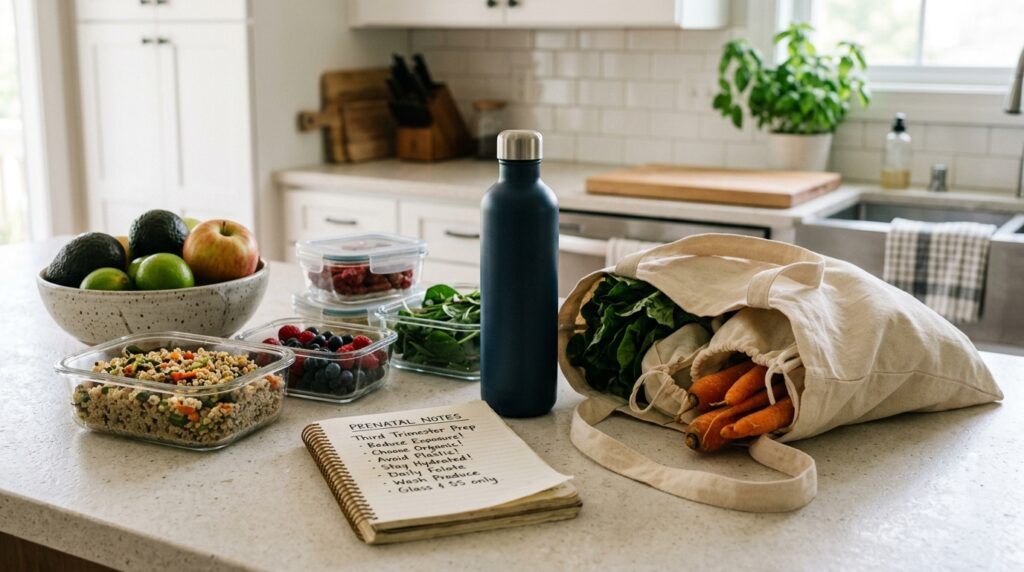
The best approach is to focus on high-impact, low-stress habits. Choose changes you can repeat without pressure. If you can switch to a stainless steel water bottle, great. If you can store hot leftovers in glass, good. If you can reduce microwaving food in plastic, that is a practical win. You do not need to replace every item in your home overnight.
Simple Ways to Reduce Plastic Exposure During Pregnancy
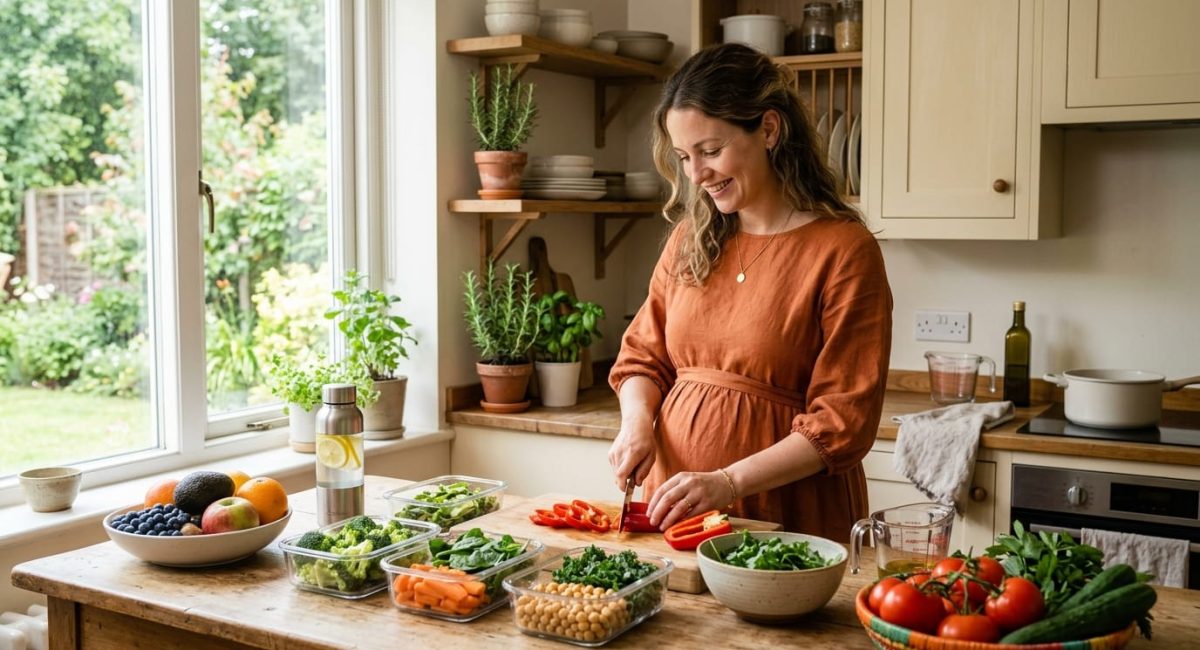
When talking about microplastics and pregnancy, the most useful advice starts in the kitchen. Food and drink containers are common daily contact points, especially when heat is involved. Heating plastic can increase concern because warmth may encourage materials to break down or release more chemicals. A practical first step is to avoid microwaving food in plastic containers and use glass or ceramic instead when possible.
You can also let hot food cool before placing it into plastic storage, choose glass containers for leftovers, and avoid reusing old, scratched, or cloudy plastic containers. If replacing everything is too expensive, start with the items you use most often for hot foods and drinks. Pregnancy does not require a perfect kitchen. It rewards smart priorities.
Kitchen swaps, personal care, and laundry habits
For drinks, a reusable stainless steel or glass bottle can reduce reliance on disposable plastic bottles. For groceries, choosing fresh or minimally packaged foods when possible may help, but do not turn this into a strict diet. Pregnancy nutrition still needs flexibility. If packaged foods help you manage nausea, fatigue, cravings, or budget, use them without guilt. For more balanced food guidance, visit nutrition myths in pregnancy.
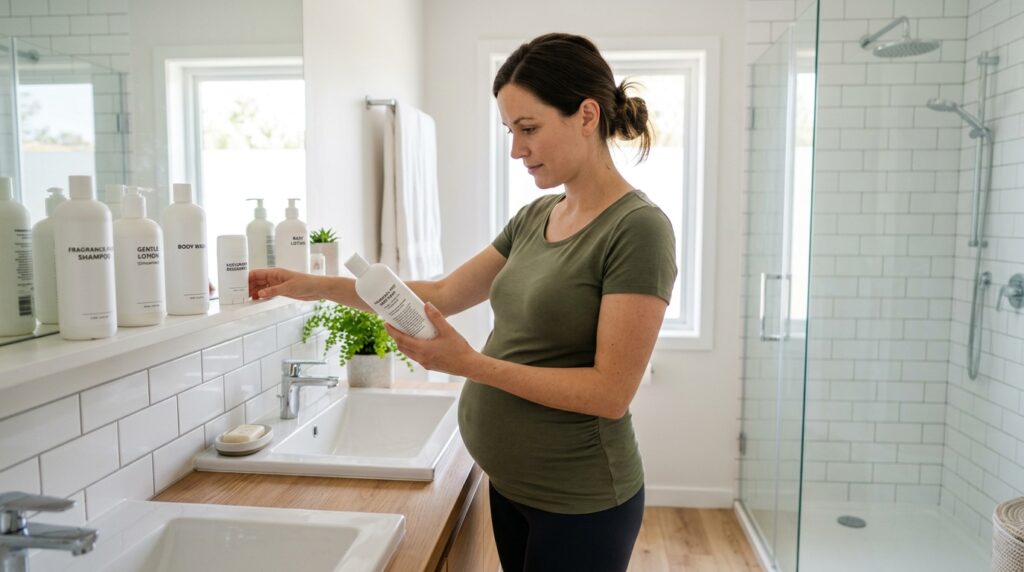
Personal care products are another area where simple choices may help. You can look for fragrance-free options, avoid harsh scrubs with plastic beads, and choose products with shorter ingredient lists if your skin tolerates them. Pregnancy can make skin more sensitive, so do not switch everything at once. Try one change at a time and stop using anything that irritates your skin.
Laundry and clothing can also matter because synthetic fabrics may shed tiny fibers. You do not need to throw away maternity leggings or activewear. Instead, wash full loads when possible, choose cooler cycles when practical, and consider natural fibers like cotton or linen for some everyday pieces. If you are shopping for comfort items, you may also find this guide helpful: must-have maternity products for comfort and convenience.
When to talk with your prenatal provider
Talk with your prenatal provider if you work around plastics, solvents, industrial dust, manufacturing materials, salon chemicals, pesticides, or other repeated exposures. Also mention concerns if you have asthma, high-risk pregnancy factors, blood pressure problems, or symptoms that worry you. Environmental questions belong in prenatal care. Your provider can help separate realistic concerns from internet fear.
This is especially important if you are already monitoring a health issue. If you are checking blood pressure at home, dealing with preeclampsia risk, or managing another condition, do not let online toxin advice distract from medical care that is proven to matter. You can revisit home blood pressure monitoring in pregnancy for practical guidance on when tracking helps and when to call your provider.
In the end, microplastics and pregnancy is a real topic, but it should be handled with calm, not fear. The research is developing, and scientists are still working to understand risks, exposure levels, and pregnancy-specific effects. While they do that work, moms can take reasonable steps: avoid heating food in plastic, choose glass or stainless steel for hot foods and drinks when possible, reduce unnecessary single-use plastics, read labels without obsessing, and ask their prenatal provider about workplace or high-level exposures.
You do not need to create a perfect plastic-free pregnancy. That is not realistic for most people. What you can do is build a healthier routine one simple swap at a time. Pregnancy is already a season of change. Let your choices be supportive, affordable, and sustainable — not another reason to panic.
Medical disclaimer: This article is for educational purposes only and is not a substitute for personal medical advice. Always talk with your prenatal care provider about pregnancy symptoms, environmental exposure concerns, workplace risks, nutrition changes, supplement use, or anything that feels unusual for your pregnancy.